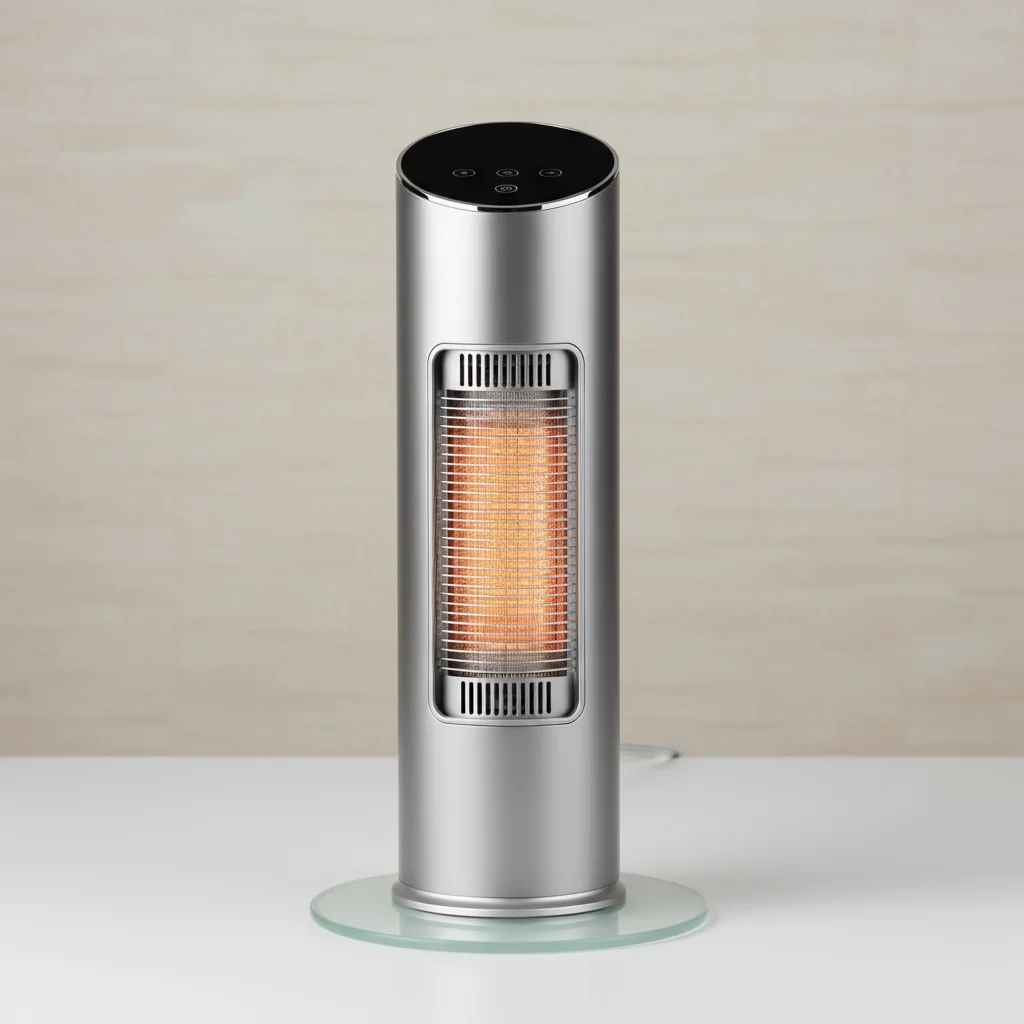
Choosing the right space heater for an apartment requires balancing efficiency, safety, and heating capacity. The most efficient type of space heater for an apartment is generally an oil-filled radiator or a ceramic heater, both offering distinct advantages for different apartment living scenarios.
Understanding Apartment Heating Needs
Apartments often present unique heating challenges compared to standalone homes. Factors like insulation quality, window efficiency, and the overall layout of the unit play a significant role. A well-insulated apartment might only need a supplemental heater for a specific zone, while a drafty unit could benefit from a more robust solution. Consider the square footage of the area you intend to heat and whether you need constant warmth or quick bursts of heat. For shop curated reviews on this site.
Oil-Filled Radiators: Consistent and Quiet Warmth
Oil-filled radiators are an excellent choice for apartments due to their ability to provide consistent, radiant heat over a long period. They work by heating a special diathermic oil sealed inside the unit, which then radiates warmth into the room. This process is incredibly quiet, making them ideal for bedrooms or living areas where noise is a concern. While they take longer to heat up initially, they retain heat well, leading to lower energy consumption once the desired temperature is reached. They are also very safe, as their exterior surface temperatures are generally lower than other heater types, reducing the risk of burns.
- Quiet operation, perfect for sleeping or working.
- Consistent, long-lasting radiant heat.
- Lower surface temperature for enhanced safety.
- Energy-efficient for sustained use.
- No fan, so no dust or allergens circulated.
Ceramic Heaters: Quick and Targeted Heat
For apartments needing quick, targeted heat, ceramic heaters are a strong contender. These heaters use ceramic plates to generate heat, often combined with a fan to distribute warm air rapidly. They are excellent for quickly warming up a small to medium-sized room or providing immediate comfort in a chilly spot. Many ceramic models come with oscillating features to spread heat more evenly and include safety features like tip-over switches and overheat protection, which are crucial for apartment living. While they might be slightly noisier due to the fan, their rapid heating capability can be very appealing.
Infrared Heaters: Direct and Efficient
|
Our Picks for the Best Space Heater in 2026
As an Amazon Associate I earn from qualifying purchases.
|
||
| Num | Product | Action |
|---|---|---|
| 1 | DREO Space Heater for Large Room, 23 Inch Electric Heaters for Indoor Use, 8 Safe Protection Tower, 70° Oscillation, PTC Ceramic with Thermostat and Remote, Quiet, 12H Timer, Bedroom, Office |

|
| 2 | DREO Space Heater Indoor, 25" 11.5ft/s Fast Portable Room Heater with Remote and Thermostat, 3 Modes, Overheating & Tip-Over Protection, Electric Heaters for Indoor Use Large Room, Bedroom, Gold |
|
| 3 | Dreo Space Heater 1500W, 60° Adjustable Tilt, 10.5ft/s Portable Electric Heaters for Indoor Use with Thermostat, 8 Safety Protections, 3 Modes, Remote, Quiet Desk Heater for Bedroom, Office, Black |
|
| 4 | DREO Space Heater, 1500W Portable Electric Heaters for Indoor Use, PTC Ceramic Heater for Office with Remote, Thermostat, 70°Oscillation, 12H Timer, 5 Modes, Safe Quiet Room Heater for Bedroom |
|
| 5 | DREO Space Heater, Portable Electric Heaters for Indoor Use with Thermostat and Remote, 2024 Upgraded, Digital Display, 12H Timer, 5 Mode, 1500W PTC Ceramic Fast Safety Heat for Office Bedroom Home |
|
| 6 | DREO Quiet Space Heater, 1500W Portable Heaters for Indoor Use with Remote, 70° Oscillation, Fast and Safety Electric PTC Ceramic for Desk Office Bedroom, 12H Timer |
|
| 7 | Dr Infrared Heater DR-968 Portable Space Heater, 1500-Watt, Cherry |
|
| 8 | DREO Space Heater, 1500W Electric Heaters for Indoor Use with Thermostat, 70° Oscillation, 8 Safety Protections, 5 Modes, Remote, 12H Timer, Quiet Portable Heater for Office, Bedroom, Large Room |
|
| 9 | DREO Atom One Space Heater with Remote, 70°Oscillating Electric Heaters with Digital Thermostat, 1500W PTC Ceramic Heater, 12h Timer, Quiet Safety Heating, Portable Heater for Home Office |
|
| 10 | DREO Space Heater, Portable Electric Heaters for Indoor Use with Thermostat and Remote, 2024 Upgraded, Digital Display, 12H Timer, 5 Mode, 1500W PTC Ceramic Fast Safety Heat for Office Bedroom Home |
|
Infrared heaters work by emitting infrared radiation that directly heats objects and people in its path, rather than warming the air. This makes them highly efficient for heating specific zones within an apartment, especially if you spend most of your time in one area. They don’t rely on air circulation, which means less heat loss through drafts and a more immediate feeling of warmth. However, their effectiveness diminishes if there are many obstacles between the heater and the target, and they may not be the best choice for heating an entire room evenly.
Safety Considerations for Apartment Use
Regardless of the type you choose, safety is paramount when using a space heater in an apartment. Always ensure the heater has modern safety features such as tip-over protection and overheat shut-off. Keep the heater on a stable, flat surface and maintain a clear three-foot radius around it, free from curtains, furniture, and other flammable materials. Never leave a space heater unattended for extended periods or while sleeping, unless specifically designed and certified for such use. Regularly inspect the power cord for damage and avoid using extension cords, as they can overheat and pose a fire risk.
Energy Efficiency and Cost Savings
To maximize energy efficiency in your apartment, look for space heaters with adjustable thermostats, multiple heat settings, and a timer function. A thermostat allows the heater to cycle on and off, maintaining a comfortable temperature without continuously drawing power. Timers are useful for pre-heating a room before you arrive or shutting off the heater after you’ve gone to bed. While the initial cost of a more feature-rich heater might be higher, the long-term energy savings can make it a worthwhile investment. Consider models with an ECO mode, which automatically adjusts power consumption to maintain a set temperature efficiently.
