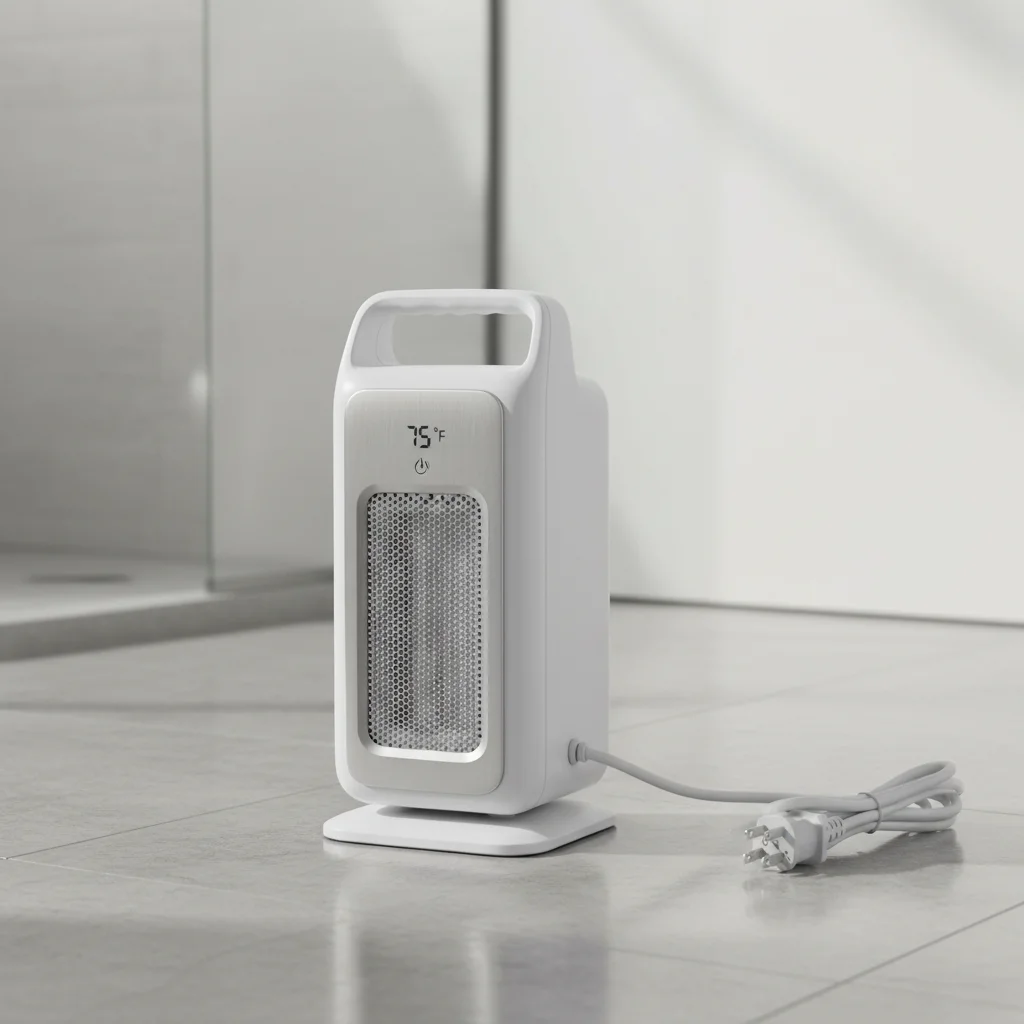
Using a space heater in a bathroom can be safe, provided you choose a model specifically designed for damp environments and follow strict safety guidelines. The primary concern is the risk of electric shock due to water exposure, which is why standard space heaters are not recommended. Look for heaters with an IP (Ingress Protection) rating suitable for bathrooms, typically IP21 or higher, indicating protection against dripping water. Additionally, ensure the heater has essential safety features like tip-over protection and overheat shut-off.
Understanding Bathroom Safety Ratings
When selecting a space heater for your bathroom, the IP rating is crucial. An IP21 rating means the heater is protected against vertically falling water drops, making it suitable for areas where splashes might occur but direct water contact is unlikely. For areas with more direct water exposure, such as near a shower, an IP24 rating offers protection against splashing water from any direction. Always check the manufacturer’s specifications to confirm the heater’s suitability for bathroom use. For see our reviews recommendations on this site.
Essential Safety Features to Look For
Beyond the IP rating, several other safety features are non-negotiable for a bathroom space heater. Tip-over protection automatically shuts off the unit if it’s accidentally knocked over, preventing fire hazards. Overheat protection is another vital feature, turning off the heater if its internal components reach an unsafe temperature. Many modern bathroom-safe heaters also include a GFCI (Ground Fault Circuit Interrupter) plug, which provides an extra layer of protection against electrical shock by detecting ground faults and quickly cutting power.
Proper Placement and Usage Guidelines
|
Our Picks for the Best Space Heater in 2026
As an Amazon Associate I earn from qualifying purchases.
|
||
| Num | Product | Action |
|---|---|---|
| 1 | DREO Space Heater Indoor, 25" 11.5ft/s Fast Portable Room Heater with Remote and Thermostat, 3 Modes, Overheating & Tip-Over Protection, Electric Heaters for Indoor Use Large Room, Bedroom, Gold |

|
| 2 | DREO Space Heater, 1500W Portable Electric Heaters for Indoor Use, PTC Ceramic Heater for Office with Remote, Thermostat, 70°Oscillation, 12H Timer, 5 Modes, Safe Quiet Room Heater for Bedroom |
|
| 3 | DREO Atom One Space Heater with Remote, 70°Oscillating Electric Heaters with Digital Thermostat, 1500W PTC Ceramic Heater, 12h Timer, Quiet Safety Heating, Portable Heater for Home Office |
|
| 4 | DREO Quiet Space Heater, 1500W Portable Heaters for Indoor Use with Remote, 70° Oscillation, Fast and Safety Electric PTC Ceramic for Desk Office Bedroom, 12H Timer |
|
| 5 | Dreo Space Heater 1500W, 60° Adjustable Tilt, 10.5ft/s Portable Electric Heaters for Indoor Use with Thermostat, 8 Safety Protections, 3 Modes, Remote, Quiet Desk Heater for Bedroom, Office, Black |
|
| 6 | Dr Infrared Heater DR-968 Portable Space Heater, 1500-Watt, Cherry |
|
| 7 | DREO Space Heater, 1500W Electric Heaters for Indoor Use with Thermostat, 70° Oscillation, 8 Safety Protections, 5 Modes, Remote, 12H Timer, Quiet Portable Heater for Office, Bedroom, Large Room |
|
| 8 | DREO Space Heater for Large Room, 23 Inch Electric Heaters for Indoor Use, 8 Safe Protection Tower, 70° Oscillation, PTC Ceramic with Thermostat and Remote, Quiet, 12H Timer, Bedroom, Office |
|
| 9 | DREO Space Heater, Portable Electric Heaters for Indoor Use with Thermostat and Remote, 2024 Upgraded, Digital Display, 12H Timer, 5 Mode, 1500W PTC Ceramic Fast Safety Heat for Office Bedroom Home |
|
| 10 | DREO Space Heater, Portable Electric Heaters for Indoor Use with Thermostat and Remote, 2024 Upgraded, Digital Display, 12H Timer, 5 Mode, 1500W PTC Ceramic Fast Safety Heat for Office Bedroom Home |
|
Even with a bathroom-safe heater, proper placement is key to preventing accidents. Always position the heater on a flat, stable surface, away from direct water sources like sinks, showers, and bathtubs. Maintain a minimum distance of three feet from any flammable materials, including towels, curtains, and bathmats. Never use extension cords with space heaters, especially in a bathroom, as they can overheat and pose a fire risk. Plug the heater directly into a wall outlet, preferably one protected by a GFCI.
Recommended Types of Bathroom Space Heaters
For bathrooms, ceramic and radiant heaters are often preferred due to their efficiency and quick heating capabilities. Ceramic heaters use ceramic heating elements to generate heat, often with a fan to distribute warm air. Radiant heaters, on the other hand, emit infrared radiation that directly warms objects and people in the room, making them effective even in drafty bathrooms. Avoid using oil-filled radiators or fan-only heaters not specifically rated for damp environments.
- Choose heaters with an IP21 or higher rating.
- Ensure tip-over and overheat protection are included.
- Look for models with a GFCI plug for added safety.
- Place the heater at least three feet from water and flammables.
- Never use extension cords with bathroom space heaters.
Maintenance and Long-Term Care
Regular maintenance is essential to ensure your bathroom space heater operates safely and efficiently. Dust and lint can accumulate on the heating elements and air intake vents, reducing efficiency and posing a fire hazard. Unplug the heater and gently wipe down the exterior with a damp cloth. For models with filters, clean or replace them according to the manufacturer’s instructions. Always store the heater in a dry place when not in use, and inspect the cord for any signs of damage before each use. If you notice any fraying or exposed wires, discontinue use immediately.
When considering a space heater for your bathroom, prioritize safety features and appropriate IP ratings above all else. A well-chosen and properly used bathroom-safe space heater can provide comfortable warmth without compromising safety. Always read the manufacturer’s manual thoroughly before operating any new appliance in a damp environment.
Frequently Asked Questions
What IP rating is required for a bathroom space heater?
A bathroom space heater should have an IP21 rating or higher. IP21 protects against vertically falling water drops, while IP24 offers protection against splashing water from any direction, making it suitable for areas near showers.
What safety features are essential for bathroom space heaters?
Essential safety features include tip-over protection, which shuts off the unit if it falls, and overheat protection, which turns off the heater if internal components get too hot. Many safe models also feature a GFCI plug for added electrical shock protection.
Where should a space heater be placed in a bathroom?
A space heater should be placed on a flat, stable surface at least three feet away from direct water sources like sinks and showers. It must also be kept three feet away from flammable materials such as towels and curtains.
Can extension cords be used with bathroom space heaters?
No, extension cords should never be used with space heaters, especially in a bathroom. They can overheat and pose a significant fire risk. Always plug the heater directly into a wall outlet, ideally one with GFCI protection.
What types of space heaters are recommended for bathrooms?
Ceramic and radiant heaters are often recommended for bathrooms due to their efficiency and quick heating. Ceramic heaters use a fan to distribute warm air, while radiant heaters directly warm objects and people with infrared radiation.

This was super helpful for understanding why my old heater wasn’t cutting it for the bathroom. The explanation about standard space heaters not being recommended due to water exposure made perfect sense. I invested in a proper bathroom-specific model, and it’s a game-changer. No more freezing when I step out of the shower!
I appreciate the details on IP ratings, but I wish there were more specific brand recommendations. I got one that was IP21, but it still feels a bit underpowered for my larger bathroom. It’s safe, which is good, but I have to run it for a long time to feel a real difference. Maybe I needed a higher IP rating for better performance?
I was so worried about using a space heater in my bathroom, but this guide really helped me pick the right one. I ended up getting a model with an IP21 rating, and it’s been fantastic. My bathroom is finally warm enough on these cold mornings without me stressing about safety. Definitely recommend looking for those specific ratings!
Great info here! I always just grabbed whatever heater was cheapest, but the part about tip-over protection and overheat shut-off really made me rethink. I upgraded to a new one with those features, and it gives me a lot more peace of mind. It heats up my small bathroom quickly, which is exactly what I needed.