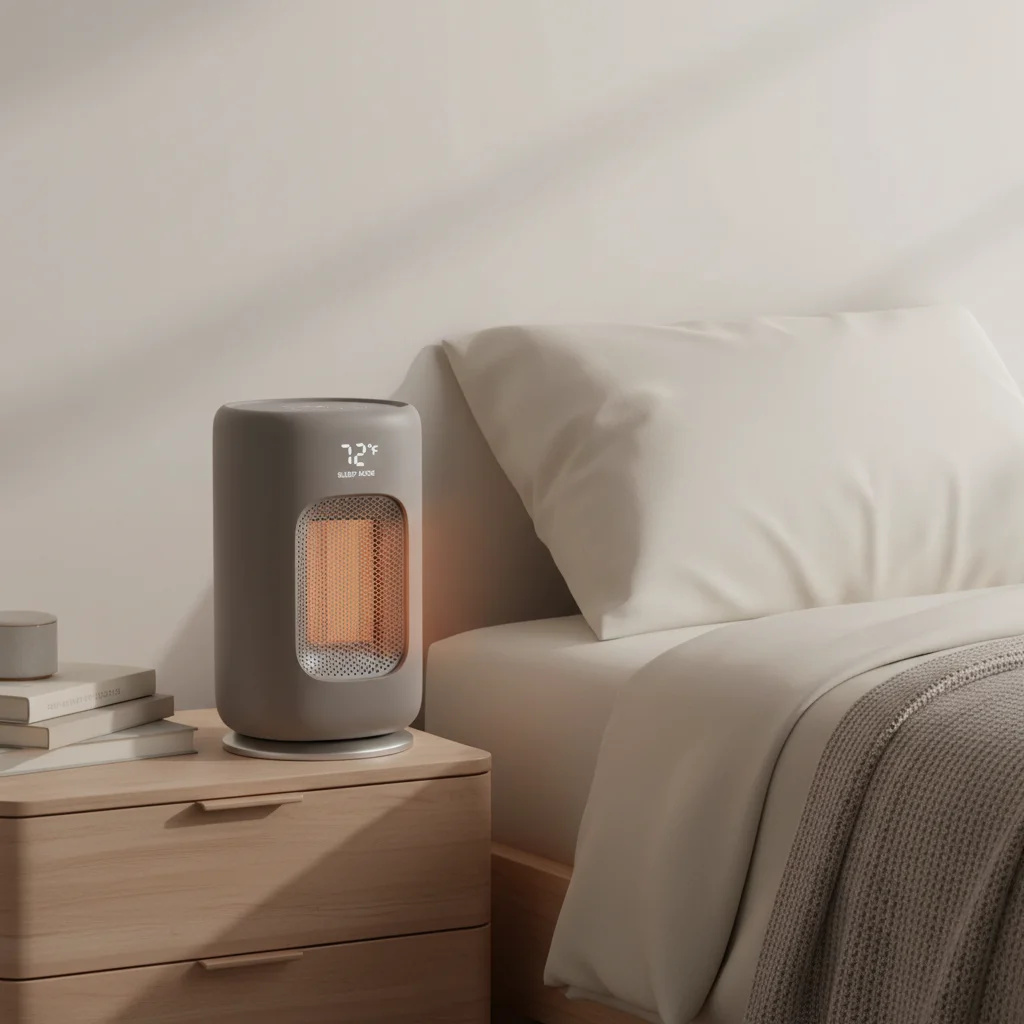
Using a space heater in your bedroom can be safe while sleeping if it has modern safety features like tip-over protection and automatic shut-off, and is used according to strict guidelines. Approximately 1,700 home heating fires are caused by space heaters annually, making proper usage and maintenance essential for preventing accidents and ensuring safety overnight.
Understanding Space Heater Safety Features
Modern space heaters come equipped with several safety features designed to prevent accidents. Tip-over switches automatically turn off the unit if it’s knocked over, significantly reducing fire risk. Overheat protection sensors detect when the internal components reach an unsafe temperature and shut the heater down. Look for models with a cool-touch exterior, especially if you have children or pets, to prevent burns from accidental contact. Additionally, ensure the heater is certified by a recognized testing laboratory like UL (Underwriters Laboratories) or ETL (Intertek). For shop curated reviews on this site.
Proper Placement and Clearance
The placement of your space heater in the bedroom is critical for safety. Always position the heater on a flat, stable surface, away from high-traffic areas where it could be easily tripped over. Maintain a minimum clearance of three feet (one meter) from all flammable materials, including bedding, curtains, clothing, and furniture. Never place a space heater directly under a window where curtains could easily blow into it. Ensure the power cord is not under rugs or furniture, as this can cause it to overheat and become a fire hazard.
Choosing the Right Type of Heater for Bedrooms
For bedroom use, certain types of space heaters are generally safer and more suitable. Oil-filled radiant heaters are often recommended due to their quiet operation and consistent, gentle heat output. They don’t have exposed heating elements, reducing the risk of burns or fire. Ceramic heaters are another good option, as they use ceramic plates to generate heat and often include advanced safety features. Avoid using propane or kerosene heaters indoors, as they produce carbon monoxide, a colorless and odorless gas that can be fatal.
Ventilation and Air Quality Considerations
|
Our Picks for the Best Space Heater in 2026
As an Amazon Associate I earn from qualifying purchases.
|
||
| Num | Product | Action |
|---|---|---|
| 1 | DREO Space Heater for Large Room, 23 Inch Electric Heaters for Indoor Use, 8 Safe Protection Tower, 70° Oscillation, PTC Ceramic with Thermostat and Remote, Quiet, 12H Timer, Bedroom, Office |

|
| 2 | DREO Space Heater, Portable Electric Heaters for Indoor Use with Thermostat and Remote, 2024 Upgraded, Digital Display, 12H Timer, 5 Mode, 1500W PTC Ceramic Fast Safety Heat for Office Bedroom Home |
|
| 3 | DREO Space Heater, 1500W Portable Electric Heaters for Indoor Use, PTC Ceramic Heater for Office with Remote, Thermostat, 70°Oscillation, 12H Timer, 5 Modes, Safe Quiet Room Heater for Bedroom |
|
| 4 | DREO Space Heater Indoor, 25" 11.5ft/s Fast Portable Room Heater with Remote and Thermostat, 3 Modes, Overheating & Tip-Over Protection, Electric Heaters for Indoor Use Large Room, Bedroom, Gold |
|
| 5 | DREO Atom One Space Heater with Remote, 70°Oscillating Electric Heaters with Digital Thermostat, 1500W PTC Ceramic Heater, 12h Timer, Quiet Safety Heating, Portable Heater for Home Office |
|
| 6 | DREO Space Heater, Portable Electric Heaters for Indoor Use with Thermostat and Remote, 2024 Upgraded, Digital Display, 12H Timer, 5 Mode, 1500W PTC Ceramic Fast Safety Heat for Office Bedroom Home |
|
| 7 | Dreo Space Heater 1500W, 60° Adjustable Tilt, 10.5ft/s Portable Electric Heaters for Indoor Use with Thermostat, 8 Safety Protections, 3 Modes, Remote, Quiet Desk Heater for Bedroom, Office, Black |
|
| 8 | DREO Space Heater, 1500W Electric Heaters for Indoor Use with Thermostat, 70° Oscillation, 8 Safety Protections, 5 Modes, Remote, 12H Timer, Quiet Portable Heater for Office, Bedroom, Large Room |
|
| 9 | Dr Infrared Heater DR-968 Portable Space Heater, 1500-Watt, Cherry |
|
| 10 | DREO Quiet Space Heater, 1500W Portable Heaters for Indoor Use with Remote, 70° Oscillation, Fast and Safety Electric PTC Ceramic for Desk Office Bedroom, 12H Timer |
|
While space heaters provide warmth, it’s important to consider ventilation. Electric space heaters do not consume oxygen or produce carbon monoxide, making them safer for enclosed spaces than combustion heaters. However, prolonged use in a completely sealed room can lead to dry air, which might affect respiratory comfort. Consider using a humidifier alongside your space heater if you experience dryness. Ensure there’s adequate air circulation in the room, even if it’s just a slight crack in a window, to maintain good air quality.
Maintenance and Electrical Safety
Regular maintenance is key to safe space heater operation. Dust can accumulate on heating elements and fans, reducing efficiency and posing a fire risk. Clean your space heater regularly according to the manufacturer’s instructions. Always plug the heater directly into a wall outlet; never use extension cords or power strips, as they can overload the circuit and cause a fire. Check the heater’s cord for any signs of fraying or damage before each use. If you notice any issues, discontinue use immediately and have it repaired or replaced.
- Always plug directly into a wall outlet.
- Maintain a 3-foot clearance from all flammable items.
- Ensure the heater has tip-over and overheat protection.
- Clean dust from the unit regularly.
- Never leave a space heater unattended while sleeping.
When to Avoid Using a Space Heater While Sleeping
While many modern space heaters are designed with safety in mind, there are specific situations where it’s best to avoid using one overnight. If you have an older model without modern safety features, it’s not advisable to leave it running while you sleep. Similarly, if you have pets that might knock over the heater, or young children who could tamper with it, consider alternative heating methods or ensure the heater is placed in an inaccessible location. If you are a very light sleeper and the heater’s fan noise might disrupt your rest, an oil-filled radiator might be a better choice due to its silent operation. Always prioritize safety over convenience when deciding whether to use a space heater in your bedroom overnight.
Frequently Asked Questions
What are essential safety features for a bedroom space heater?
Essential safety features for a bedroom space heater include tip-over protection, which automatically shuts off the unit if it falls, and overheat protection, which turns it off if internal components get too hot. Look for cool-touch exteriors and certifications from UL or ETL for added safety.
How far should a space heater be from flammable materials?
A space heater should maintain a minimum clearance of three feet (one meter) from all flammable materials. This includes bedding, curtains, clothing, and furniture to prevent fire hazards. Never place it directly under a window.
Which types of space heaters are safest for bedroom use?
Oil-filled radiant heaters and ceramic heaters are generally considered safest for bedroom use. Oil-filled heaters offer quiet operation and consistent heat without exposed elements, while ceramic heaters use ceramic plates and often include advanced safety features. Avoid combustion heaters like propane or kerosene indoors.
Can electric space heaters cause carbon monoxide poisoning?
Electric space heaters do not consume oxygen or produce carbon monoxide, making them safe from carbon monoxide poisoning in enclosed spaces. However, prolonged use can lead to dry air, so consider using a humidifier for comfort and ensuring adequate air circulation.
Is it safe to use an extension cord with a space heater?
No, it is not safe to use an extension cord or power strip with a space heater. Space heaters draw a significant amount of power and should always be plugged directly into a wall outlet to prevent circuit overload and potential fire hazards. Always check the cord for damage before use.

I was really worried about using a space heater in my bedroom overnight, especially after reading about the fire risks. But finding one with tip-over protection and automatic shut-off made all the difference. It keeps my room perfectly cozy without me having to stress, and I sleep so much better now. Definitely recommend looking for those safety features.
This guide was super helpful for picking out a new heater for my drafty bedroom. I ended up getting a model with a cool-touch exterior, which is great since my cat loves to nap near it. It warms up the room quickly, and I feel much safer knowing it won’t burn her if she brushes against it. The only thing is it’s a bit louder than I expected, but it’s not a dealbreaker.
I got a space heater for my small bedroom, hoping to cut down on my heating bill. While it does warm up the room, I’m a little disappointed with how much energy it seems to use. I made sure it had overheat protection, but I’m still keeping a close eye on my electricity usage. It’s okay, but maybe not the most efficient option out there.
After learning about the 1,700 home heating fires caused by space heaters annually, I was hesitant to get one. But I followed the advice here and got a certified model with all the modern safety features. It’s been a game-changer for my cold basement bedroom. I feel completely safe using it while I sleep, and it’s made my room so much more comfortable.