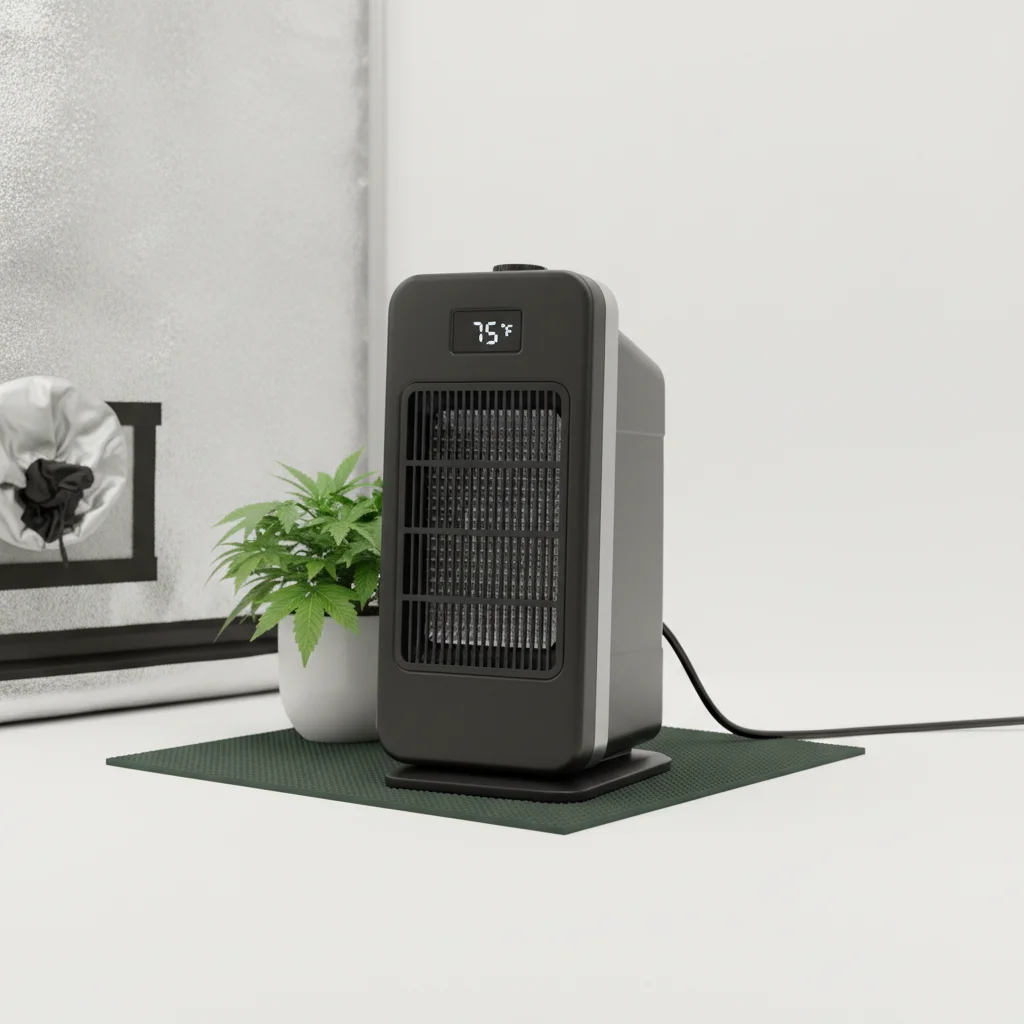
When choosing a space heater for a grow tent, the safest and most effective type is an oil-filled radiator or a ceramic heater with tip-over and overheat protection. These options provide consistent, radiant heat without open flames or excessive air movement, which can be detrimental to plant growth and safety within an enclosed environment.
Why Safety is Paramount in a Grow Tent
Grow tents are enclosed spaces, often with high humidity and electrical equipment, making fire safety a critical concern. Traditional convection heaters can dry out the air too quickly, while fan-forced heaters can create drafts that stress plants. Radiant heaters, like oil-filled radiators, offer a gentle, even heat distribution that minimizes these risks. Always look for models with automatic shut-off features in case of tipping or overheating. For shop curated reviews on this site.
Oil-Filled Radiators: Gentle and Consistent Heat
Oil-filled radiators are an excellent choice for grow tents due to their ability to provide consistent, long-lasting heat without a fan. They operate silently and maintain a stable temperature, which is ideal for plant health. The sealed oil reservoir heats up and radiates warmth into the tent, creating a stable microclimate. They are also less likely to cause hot spots or dry out the air excessively, which can be harmful to delicate plants.
- Silent operation for undisturbed plant growth.
- Even heat distribution prevents hot spots.
- Low risk of fire due to no exposed heating elements.
- Energy-efficient for continuous use.
- Built-in safety features like tip-over switches.
Ceramic Heaters with Advanced Safety Features
|
Our Picks for the Best Space Heater in 2026
As an Amazon Associate I earn from qualifying purchases.
|
||
| Num | Product | Action |
|---|---|---|
| 1 | DREO Space Heater, Portable Electric Heaters for Indoor Use with Thermostat and Remote, 2024 Upgraded, Digital Display, 12H Timer, 5 Mode, 1500W PTC Ceramic Fast Safety Heat for Office Bedroom Home |

|
| 2 | DREO Space Heater for Large Room, 23 Inch Electric Heaters for Indoor Use, 8 Safe Protection Tower, 70° Oscillation, PTC Ceramic with Thermostat and Remote, Quiet, 12H Timer, Bedroom, Office |
|
| 3 | DREO Space Heater Indoor, 25" 11.5ft/s Fast Portable Room Heater with Remote and Thermostat, 3 Modes, Overheating & Tip-Over Protection, Electric Heaters for Indoor Use Large Room, Bedroom, Gold |
|
| 4 | DREO Space Heater, 1500W Electric Heaters for Indoor Use with Thermostat, 70° Oscillation, 8 Safety Protections, 5 Modes, Remote, 12H Timer, Quiet Portable Heater for Office, Bedroom, Large Room |
|
| 5 | DREO Atom One Space Heater with Remote, 70°Oscillating Electric Heaters with Digital Thermostat, 1500W PTC Ceramic Heater, 12h Timer, Quiet Safety Heating, Portable Heater for Home Office |
|
| 6 | Dr Infrared Heater DR-968 Portable Space Heater, 1500-Watt, Cherry |
|
| 7 | Dreo Space Heater 1500W, 60° Adjustable Tilt, 10.5ft/s Portable Electric Heaters for Indoor Use with Thermostat, 8 Safety Protections, 3 Modes, Remote, Quiet Desk Heater for Bedroom, Office, Black |
|
| 8 | DREO Space Heater, 1500W Portable Electric Heaters for Indoor Use, PTC Ceramic Heater for Office with Remote, Thermostat, 70°Oscillation, 12H Timer, 5 Modes, Safe Quiet Room Heater for Bedroom |
|
| 9 | DREO Quiet Space Heater, 1500W Portable Heaters for Indoor Use with Remote, 70° Oscillation, Fast and Safety Electric PTC Ceramic for Desk Office Bedroom, 12H Timer |
|
| 10 | DREO Space Heater, Portable Electric Heaters for Indoor Use with Thermostat and Remote, 2024 Upgraded, Digital Display, 12H Timer, 5 Mode, 1500W PTC Ceramic Fast Safety Heat for Office Bedroom Home |
|
If you prefer a more compact option, ceramic heaters can be suitable, provided they come with robust safety features. Look for models that specifically advertise tip-over protection, overheat protection, and a cool-touch exterior. While they often use a fan, some ceramic heaters are designed to operate with minimal air disturbance. Ensure the fan is not too powerful, as strong airflow can stress plants and affect humidity levels within the tent.
Placement and Monitoring for Optimal Results
Proper placement of your space heater within the grow tent is crucial. Position it away from direct contact with plants and any flammable materials. Use a digital thermometer and hygrometer to monitor the temperature and humidity levels constantly. Many growers also integrate their heaters with a thermostat controller to maintain precise environmental conditions, preventing temperature fluctuations that can harm plants. Regular inspection of the heater and its power cord for any signs of wear or damage is also essential.
Avoiding Unsuitable Heater Types
Certain types of space heaters should be avoided in grow tents. Propane or kerosene heaters produce combustion byproducts that can be toxic to plants and humans, and they consume oxygen, posing a significant health risk in an enclosed space. Open-coil heaters present a high fire hazard due to exposed heating elements. Fan-forced heaters, while quick to heat, can create too much airflow, leading to plant stress and rapid moisture loss. Always prioritize safety and plant health when making your selection.
For a reliable and safe heating solution, consider thewhich offers excellent temperature control and safety features. Another top recommendation is the, known for its quiet operation and even heat distribution.
