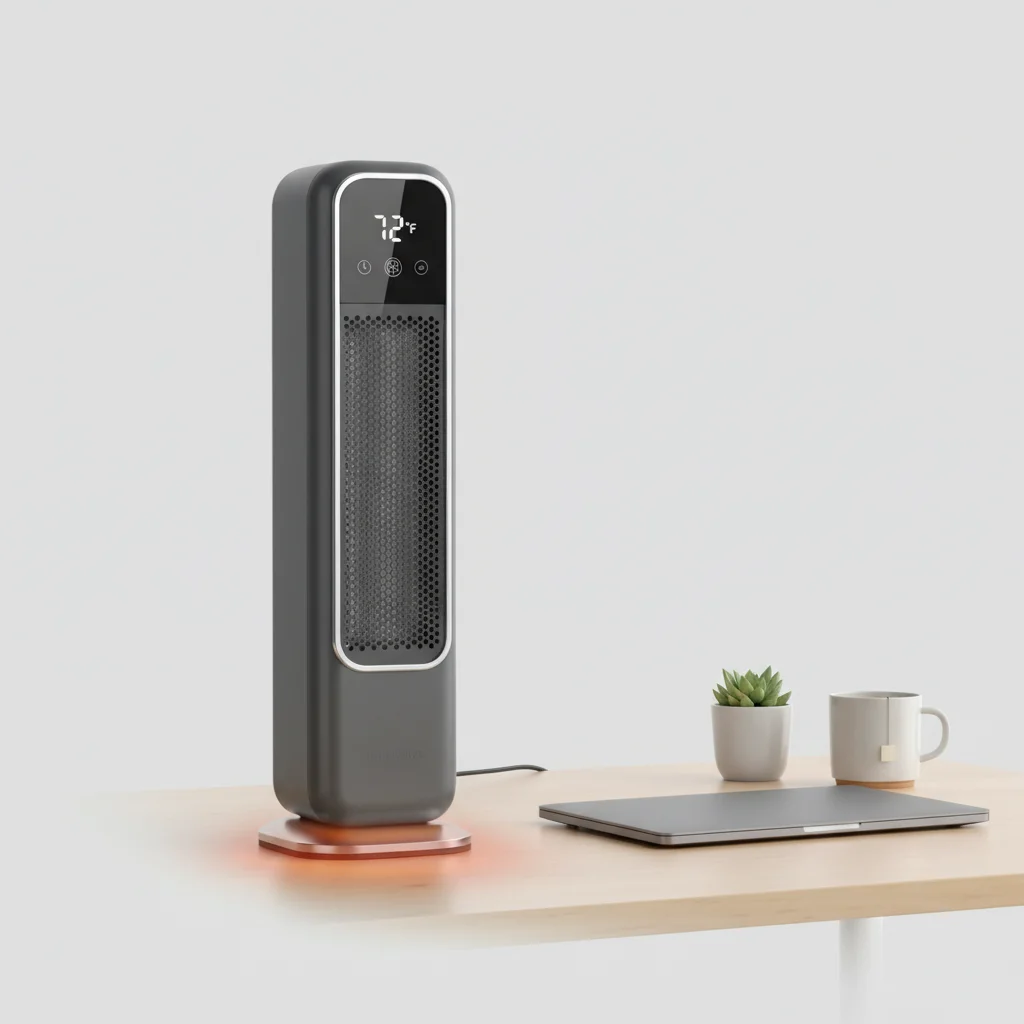
Choosing the most efficient space heater for an office environment often comes down to radiant or ceramic models, with ceramic heaters generally offering a slight edge in rapid, targeted heating. The ideal choice depends on the specific office setup, whether you need to warm a personal workspace or a small shared area. Understanding the different types and their energy consumption is key to maintaining comfort without excessive electricity bills.
Understanding Office Heating Needs
Office spaces present unique heating challenges. Unlike an entire home, you’re often looking to supplement existing HVAC or provide warmth in a localized zone. Factors like desk placement, proximity to windows, and the overall insulation of the building all influence the effectiveness of a space heater. A personal space heater should be compact, quiet, and offer precise temperature control to avoid overheating or disturbing colleagues. For more reviews guides on this site.
Ceramic Heaters: Quick and Targeted Warmth
Ceramic space heaters are a popular choice for offices due to their ability to heat up quickly and provide direct, fan-forced warmth. They use ceramic heating elements that are self-regulating, meaning they don’t get as hot as traditional metal coils, which can be a safety advantage. Many ceramic models come with oscillation features to distribute heat more evenly across a small area, making them efficient for individual workstations. Look for models with adjustable thermostats and multiple heat settings to fine-tune your comfort.
- Rapid heat-up time for immediate warmth.
- Self-regulating ceramic elements enhance safety.
- Often include oscillation for better heat distribution.
- Compact designs fit easily under desks or on tabletops.
- Precise temperature control for personalized comfort.
Radiant Heaters: Gentle and Consistent Heat
|
Our Picks for the Best Space Heater in 2026
As an Amazon Associate I earn from qualifying purchases.
|
||
| Num | Product | Action |
|---|---|---|
| 1 | Dr Infrared Heater DR-968 Portable Space Heater, 1500-Watt, Cherry |

|
| 2 | DREO Space Heater, 1500W Portable Electric Heaters for Indoor Use, PTC Ceramic Heater for Office with Remote, Thermostat, 70°Oscillation, 12H Timer, 5 Modes, Safe Quiet Room Heater for Bedroom |
|
| 3 | Dreo Space Heater 1500W, 60° Adjustable Tilt, 10.5ft/s Portable Electric Heaters for Indoor Use with Thermostat, 8 Safety Protections, 3 Modes, Remote, Quiet Desk Heater for Bedroom, Office, Black |
|
| 4 | DREO Space Heater Indoor, 25" 11.5ft/s Fast Portable Room Heater with Remote and Thermostat, 3 Modes, Overheating & Tip-Over Protection, Electric Heaters for Indoor Use Large Room, Bedroom, Gold |
|
| 5 | DREO Quiet Space Heater, 1500W Portable Heaters for Indoor Use with Remote, 70° Oscillation, Fast and Safety Electric PTC Ceramic for Desk Office Bedroom, 12H Timer |
|
| 6 | DREO Space Heater, Portable Electric Heaters for Indoor Use with Thermostat and Remote, 2024 Upgraded, Digital Display, 12H Timer, 5 Mode, 1500W PTC Ceramic Fast Safety Heat for Office Bedroom Home |
|
| 7 | DREO Space Heater, Portable Electric Heaters for Indoor Use with Thermostat and Remote, 2024 Upgraded, Digital Display, 12H Timer, 5 Mode, 1500W PTC Ceramic Fast Safety Heat for Office Bedroom Home |
|
| 8 | DREO Space Heater, 1500W Electric Heaters for Indoor Use with Thermostat, 70° Oscillation, 8 Safety Protections, 5 Modes, Remote, 12H Timer, Quiet Portable Heater for Office, Bedroom, Large Room |
|
| 9 | DREO Atom One Space Heater with Remote, 70°Oscillating Electric Heaters with Digital Thermostat, 1500W PTC Ceramic Heater, 12h Timer, Quiet Safety Heating, Portable Heater for Home Office |
|
| 10 | DREO Space Heater for Large Room, 23 Inch Electric Heaters for Indoor Use, 8 Safe Protection Tower, 70° Oscillation, PTC Ceramic with Thermostat and Remote, Quiet, 12H Timer, Bedroom, Office |
|
Radiant space heaters, including oil-filled radiators and infrared heaters, work by emitting infrared radiation that directly warms objects and people in their path, rather than heating the air. This can be very efficient in drafty offices or for individuals who prefer a more consistent, gentle warmth. While they take longer to heat up than ceramic heaters, they retain and radiate heat for a longer period after being turned off, contributing to overall energy efficiency. They are also typically very quiet, which is a significant benefit in a professional setting.
Safety Features Essential for Office Use
Regardless of the type, safety features are paramount for any space heater used in an office. Overheat protection, which automatically shuts off the heater if it gets too hot, and tip-over switches, which turn off the unit if it’s accidentally knocked over, are non-negotiable. Many modern office-friendly heaters also feature cool-touch exteriors to prevent accidental burns. Always ensure the heater is placed on a stable, flat surface and away from any flammable materials like curtains, papers, or waste bins. Never use extension cords with space heaters, as they can overload circuits and pose a fire hazard.
Energy Efficiency and Cost Considerations
While all electric space heaters consume the same amount of electricity per watt, their efficiency lies in how effectively they deliver heat to your specific needs. A heater with a programmable thermostat and an eco-mode can significantly reduce energy consumption by only operating when necessary. Consider the wattage; a 1500-watt heater is standard, but some smaller, lower-wattage models might be sufficient for a very small personal space, further reducing electricity costs. Calculating the cost per hour of operation can help you make an informed decision based on your local electricity rates.
Conclusion
For most office environments, a ceramic space heater offers the best balance of quick, targeted warmth and efficiency, especially for individual use. However, if you prefer a quieter, more ambient heat for a slightly larger or draftier space, a radiant heater can be an excellent choice. Always prioritize models with robust safety features and consider those with energy-saving functions to keep your workspace comfortable and your utility bills in check.
