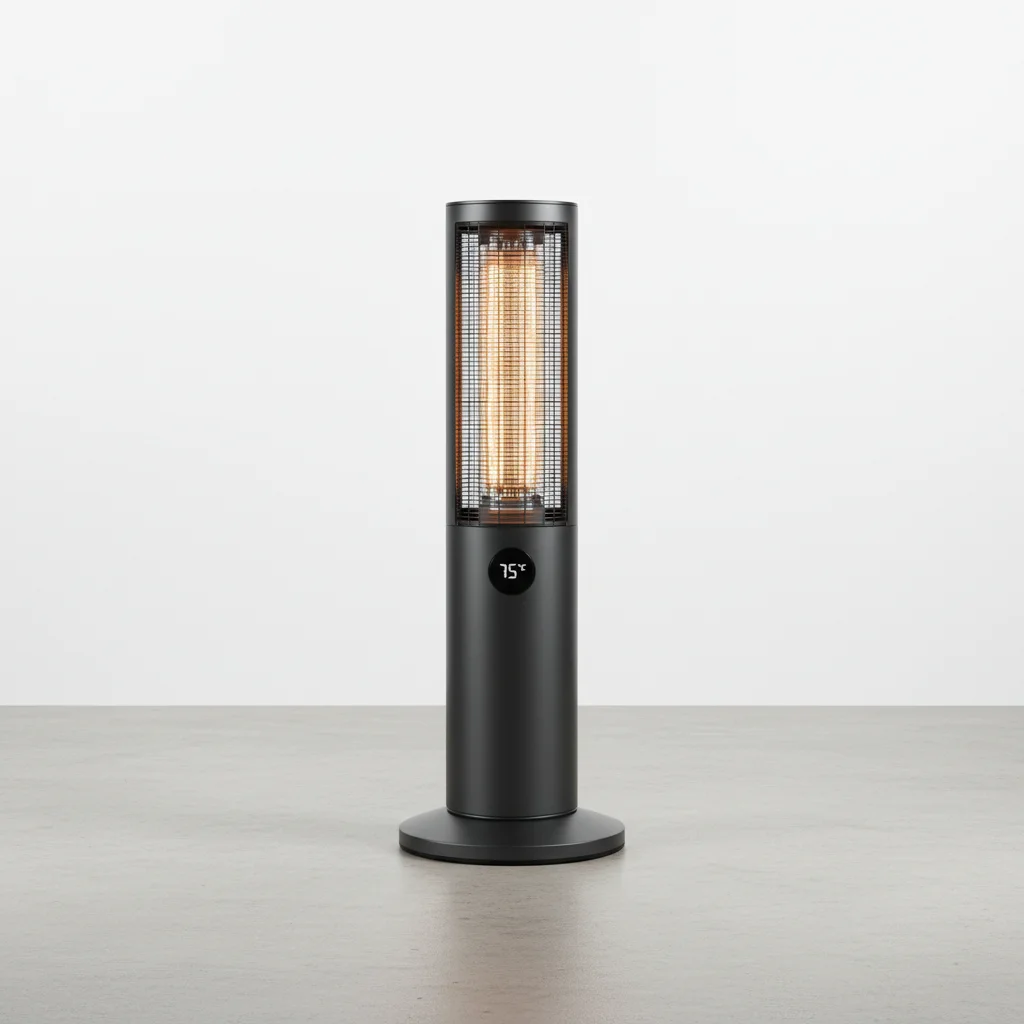
Choosing the most efficient space heater for your patio depends on several factors, but generally, an infrared or radiant heater is the most efficient option for outdoor spaces. Unlike convection heaters that warm the air, radiant heaters directly warm objects and people, making them far more effective in open-air environments where heated air quickly dissipates. This direct heating method can reduce energy waste by up to 40% compared to trying to heat the ambient air on a patio.
Understanding Patio Heating Challenges
Patios present unique heating challenges due to their open nature. Wind, ambient temperature, and the lack of enclosed space mean that traditional convection heating methods are largely ineffective. Air heated by a convection heater will quickly rise and disperse, leading to significant energy loss and minimal warmth for occupants. This is why selecting a heater designed for outdoor use, specifically one that targets objects rather than air, is crucial for efficiency.
Infrared Heaters: The Efficiency Champion
Infrared heaters are the most efficient choice for patios because they emit infrared radiation that travels through the air without heating it, directly warming people and surfaces in its path. This is similar to how the sun warms you on a cool day. They come in electric, propane, and natural gas varieties, with electric infrared heaters often being the most convenient for many homeowners due to easy plug-in operation. A 1500-watt electric infrared heater can effectively warm a 100-square-foot area, providing immediate and targeted warmth.
When considering an infrared heater, look for models with adjustable power settings and a wide coverage area. Some advanced models include motion sensors to save energy by only operating when people are present.
Propane and Natural Gas Patio Heaters
|
Our Picks for the Best Space Heater in 2026
As an Amazon Associate I earn from qualifying purchases.
|
||
| Num | Product | Action |
|---|---|---|
| 1 | DREO Space Heater, Portable Electric Heaters for Indoor Use with Thermostat and Remote, 2024 Upgraded, Digital Display, 12H Timer, 5 Mode, 1500W PTC Ceramic Fast Safety Heat for Office Bedroom Home |

|
| 2 | DREO Quiet Space Heater, 1500W Portable Heaters for Indoor Use with Remote, 70° Oscillation, Fast and Safety Electric PTC Ceramic for Desk Office Bedroom, 12H Timer |
|
| 3 | DREO Space Heater, 1500W Portable Electric Heaters for Indoor Use, PTC Ceramic Heater for Office with Remote, Thermostat, 70°Oscillation, 12H Timer, 5 Modes, Safe Quiet Room Heater for Bedroom |
|
| 4 | DREO Space Heater, Portable Electric Heaters for Indoor Use with Thermostat and Remote, 2024 Upgraded, Digital Display, 12H Timer, 5 Mode, 1500W PTC Ceramic Fast Safety Heat for Office Bedroom Home |
|
| 5 | Dreo Space Heater 1500W, 60° Adjustable Tilt, 10.5ft/s Portable Electric Heaters for Indoor Use with Thermostat, 8 Safety Protections, 3 Modes, Remote, Quiet Desk Heater for Bedroom, Office, Black |
|
| 6 | DREO Space Heater, 1500W Electric Heaters for Indoor Use with Thermostat, 70° Oscillation, 8 Safety Protections, 5 Modes, Remote, 12H Timer, Quiet Portable Heater for Office, Bedroom, Large Room |
|
| 7 | DREO Space Heater Indoor, 25" 11.5ft/s Fast Portable Room Heater with Remote and Thermostat, 3 Modes, Overheating & Tip-Over Protection, Electric Heaters for Indoor Use Large Room, Bedroom, Gold |
|
| 8 | Dr Infrared Heater DR-968 Portable Space Heater, 1500-Watt, Cherry |
|
| 9 | DREO Atom One Space Heater with Remote, 70°Oscillating Electric Heaters with Digital Thermostat, 1500W PTC Ceramic Heater, 12h Timer, Quiet Safety Heating, Portable Heater for Home Office |
|
| 10 | DREO Space Heater for Large Room, 23 Inch Electric Heaters for Indoor Use, 8 Safe Protection Tower, 70° Oscillation, PTC Ceramic with Thermostat and Remote, Quiet, 12H Timer, Bedroom, Office |
|
Propane and natural gas patio heaters are also effective, particularly for larger patios or areas without easy access to electrical outlets. These heaters typically use a flame to generate heat, which is then radiated outwards. While they can be powerful, their efficiency can vary. Models with a parabolic reflector design are generally more efficient as they direct heat more effectively. A standard propane patio heater can produce between 30,000 and 40,000 BTUs, capable of warming a significant area, but they require fuel replenishment or a gas line connection.
Factors Affecting Patio Heater Efficiency
Several factors influence the overall efficiency of a patio heater:
- Type of Heater: Radiant (infrared) heaters are inherently more efficient for outdoor use.
- Wattage/BTU Output: Match the heater’s power to the size of your patio. Overpowering a small space or underpowering a large one leads to inefficiency.
- Placement: Strategic placement, such as under an awning or near seating areas, maximizes the direct heating effect.
- Wind Conditions: Wind can significantly reduce the perceived warmth from any heater, even radiant ones, by carrying away body heat.
- Insulation/Enclosure: While patios are open, any partial enclosure (like wind screens or pergolas) can help retain some warmth.
Maximizing Warmth and Minimizing Energy Use
To get the most out of your patio heater while keeping energy costs down, consider these tips. First, always choose a heater with appropriate wattage or BTU output for your specific patio size. Second, position the heater to directly target the areas where people will be sitting or standing. Third, consider adding windbreaks or partial enclosures to your patio to reduce heat loss. Finally, turn off the heater when not in use.
Conclusion
For optimal efficiency when heating a patio, an infrared or radiant space heater is the superior choice. Its ability to directly warm objects and people, rather than attempting to heat the ambient air, makes it significantly more effective and energy-conscious in an outdoor setting. By understanding the unique challenges of patio heating and selecting the right type of heater, you can enjoy comfortable outdoor living without excessive energy consumption.
