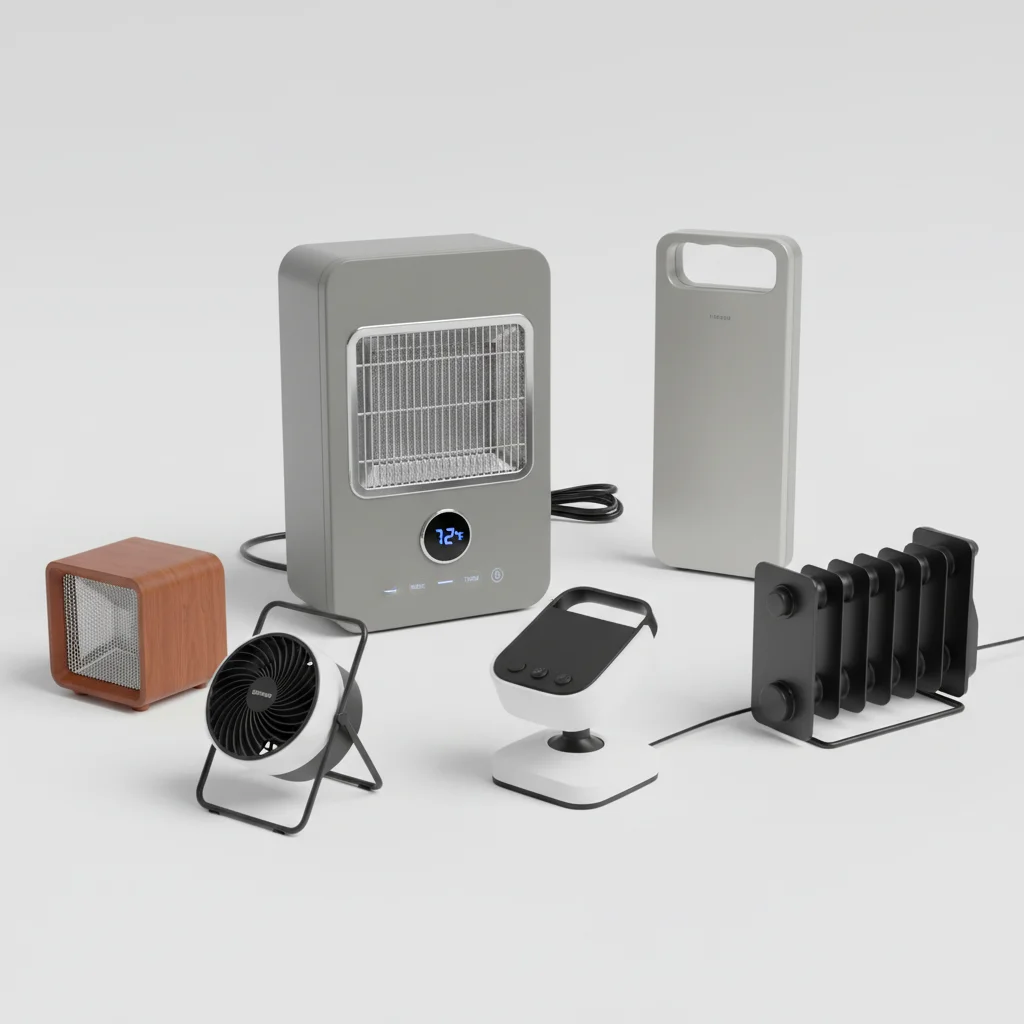
Choosing the right space heater for your RV is crucial for both comfort and safety, and the safest type is generally a ceramic heater with multiple safety features. These heaters offer efficient heating without the fire risks associated with some other types, especially when operating in a confined space like an RV. When selecting a model, prioritize those with tip-over protection, overheat shut-off, and a cool-touch exterior to ensure maximum safety during your travels.
Why Ceramic Heaters Are Ideal for RVs
Ceramic space heaters are a top choice for RVs due to their inherent safety features and efficient heating capabilities. Unlike radiant heaters that use exposed heating elements, ceramic heaters utilize ceramic plates to generate heat, which is then dispersed by a fan. This design significantly reduces the risk of fire and burns, making them much safer for use in small, enclosed spaces where flammable materials might be present. Many models also come equipped with advanced safety mechanisms like automatic shut-off if the unit tips over or overheats, providing peace of mind for RV owners.
Furthermore, ceramic heaters tend to be more energy-efficient than some other types, which is a significant advantage when relying on an RV’s electrical system. They heat up quickly and can maintain a consistent temperature, preventing unnecessary power draw. This efficiency is particularly important when boondocking or when your RV is connected to a limited power supply at a campground.
Key Safety Features to Look For
When purchasing a space heater for your RV, several safety features are non-negotiable. First, ensure the heater has tip-over protection, which automatically shuts off the unit if it’s accidentally knocked over. This is vital in a moving vehicle where bumps and turns are common. Second, overheat protection is essential; this feature prevents the heater from reaching dangerously high temperatures by turning it off if it starts to overheat. Third, look for a cool-touch exterior to prevent accidental burns, especially important if you have children or pets in the RV.
Additionally, a heater with a grounded plug and a robust power cord is crucial to prevent electrical hazards. Some advanced models also include a programmable thermostat, allowing you to set a desired temperature and have the heater cycle on and off as needed, further enhancing safety and energy efficiency. Always check for certifications from recognized safety organizations like UL or ETL.
Understanding RV Electrical Limitations
|
Our Picks for the Best Space Heater in 2026
As an Amazon Associate I earn from qualifying purchases.
|
||
| Num | Product | Action |
|---|---|---|
| 1 | Dr Infrared Heater DR-968 Portable Space Heater, 1500-Watt, Cherry |

|
| 2 | DREO Space Heater Indoor, 25" 11.5ft/s Fast Portable Room Heater with Remote and Thermostat, 3 Modes, Overheating & Tip-Over Protection, Electric Heaters for Indoor Use Large Room, Bedroom, Gold |
|
| 3 | Dreo Space Heater 1500W, 60° Adjustable Tilt, 10.5ft/s Portable Electric Heaters for Indoor Use with Thermostat, 8 Safety Protections, 3 Modes, Remote, Quiet Desk Heater for Bedroom, Office, Black |
|
| 4 | DREO Space Heater, 1500W Electric Heaters for Indoor Use with Thermostat, 70° Oscillation, 8 Safety Protections, 5 Modes, Remote, 12H Timer, Quiet Portable Heater for Office, Bedroom, Large Room |
|
| 5 | DREO Space Heater, Portable Electric Heaters for Indoor Use with Thermostat and Remote, 2024 Upgraded, Digital Display, 12H Timer, 5 Mode, 1500W PTC Ceramic Fast Safety Heat for Office Bedroom Home |
|
| 6 | DREO Quiet Space Heater, 1500W Portable Heaters for Indoor Use with Remote, 70° Oscillation, Fast and Safety Electric PTC Ceramic for Desk Office Bedroom, 12H Timer |
|
| 7 | DREO Space Heater for Large Room, 23 Inch Electric Heaters for Indoor Use, 8 Safe Protection Tower, 70° Oscillation, PTC Ceramic with Thermostat and Remote, Quiet, 12H Timer, Bedroom, Office |
|
| 8 | DREO Space Heater, Portable Electric Heaters for Indoor Use with Thermostat and Remote, 2024 Upgraded, Digital Display, 12H Timer, 5 Mode, 1500W PTC Ceramic Fast Safety Heat for Office Bedroom Home |
|
| 9 | DREO Atom One Space Heater with Remote, 70°Oscillating Electric Heaters with Digital Thermostat, 1500W PTC Ceramic Heater, 12h Timer, Quiet Safety Heating, Portable Heater for Home Office |
|
| 10 | DREO Space Heater, 1500W Portable Electric Heaters for Indoor Use, PTC Ceramic Heater for Office with Remote, Thermostat, 70°Oscillation, 12H Timer, 5 Modes, Safe Quiet Room Heater for Bedroom |
|
RV electrical systems have specific limitations that must be considered when choosing a space heater. Most RVs operate on either a 30-amp or 50-amp service. A standard 1500-watt space heater can draw around 12.5 amps, which can quickly overload a 30-amp system if other appliances are running simultaneously. It’s crucial to know your RV’s amperage capacity and to select a heater that won’t exceed it. Many RV owners opt for heaters with multiple heat settings, allowing them to use a lower wattage (e.g., 750 watts) to conserve power and prevent tripping breakers.
Using an extension cord with your space heater is generally discouraged, but if absolutely necessary, ensure it is a heavy-duty, outdoor-rated cord with the appropriate gauge for the heater’s wattage. A cord that is too thin can overheat and pose a fire risk. Always plug the heater directly into a wall outlet whenever possible.
Placement and Ventilation in an RV
Proper placement and adequate ventilation are critical for safe space heater operation in an RV. Always place the heater on a stable, level surface, away from any flammable materials such as curtains, bedding, or upholstery. Maintain at least a 3-foot clearance around the heater on all sides. Never block the heater’s air intake or exhaust vents, as this can lead to overheating and fire hazards.
Even with an electric space heater, some ventilation is advisable to prevent condensation buildup and maintain good air quality inside the RV. Cracking a window slightly or using a roof vent can help circulate air without significantly impacting the heater’s effectiveness. Regularly inspect the heater for any signs of damage or wear, and clean it according to the manufacturer’s instructions to ensure optimal performance and safety.
Top Considerations for RV Space Heaters
- Wattage and Amperage: Match heater wattage to your RV’s electrical capacity (30-amp or 50-amp service).
- Safety Features: Prioritize tip-over protection, overheat shut-off, and cool-touch exterior.
- Size and Portability: Choose a compact, lightweight model that fits easily in your RV.
- Noise Level: Opt for quieter models, especially if you’ll be sleeping near the heater.
- Thermostat Control: Look for adjustable or programmable thermostats for consistent heating.
For a reliable and safe heating solution on your next RV adventure, consider the. This ceramic heater offers multiple safety features and efficient warmth, perfect for small spaces. Alternatively, theprovides excellent temperature control and a compact design, making it another top choice for RV owners seeking comfort and peace of mind.
Frequently Asked Questions
What type of space heater is safest for an RV?
The safest type of space heater for an RV is generally a ceramic heater. These heaters use ceramic plates to generate heat, reducing fire risks compared to radiant heaters with exposed elements, and often include essential safety features like tip-over and overheat protection.
What safety features should an RV space heater have?
An RV space heater should have tip-over protection, overheat shut-off, and a cool-touch exterior to prevent burns. Additionally, look for a grounded plug, a robust power cord, and certifications from safety organizations like UL or ETL for enhanced safety.
How do RV electrical limitations affect space heater choice?
RV electrical systems typically operate on 30-amp or 50-amp service, which limits the wattage of a space heater. A standard 1500-watt heater draws about 12.5 amps, potentially overloading a 30-amp system if other appliances are in use. Choose a heater with wattage appropriate for your RV's amperage capacity.
Is it safe to use an extension cord with an RV space heater?
Using an extension cord with an RV space heater is generally discouraged due to potential fire risks. If absolutely necessary, use a heavy-duty, outdoor-rated cord with the correct gauge for the heater's wattage, and always plug the heater directly into a wall outlet whenever possible.
Where should I place a space heater in my RV for safety?
Place your RV space heater on a stable, level surface at least 3 feet away from flammable materials like curtains, bedding, or upholstery. Ensure air intake and exhaust vents are not blocked to prevent overheating and maintain proper air circulation.

This was super helpful for picking out a new heater for our travel trailer. We ended up getting one with the cool-touch exterior, and it’s great not having to worry about the kids accidentally touching it. It’s efficient, but I do wish it had a slightly longer cord for easier placement in our rig.
I got a ceramic heater for my RV based on the safety features mentioned, like the overheat shut-off. It works fine for heating, but the fan can be a bit noisy, which is noticeable in a small space. It’s not a dealbreaker, but something to consider if you’re sensitive to background noise.
I’ve been using a ceramic heater in my RV for the past year, and it’s been a game-changer. The tip-over protection gives me so much peace of mind, especially when I’m parked on uneven ground. It heats up our small living area really quickly without making me worry about fire risks. Definitely recommend prioritizing those safety features.
After reading about how ceramic heaters use ceramic plates instead of exposed elements, I felt much better about getting one for our camper van. It really does make a difference in how safe it feels compared to our old radiant heater. Plus, it keeps us toasty on chilly mornings.