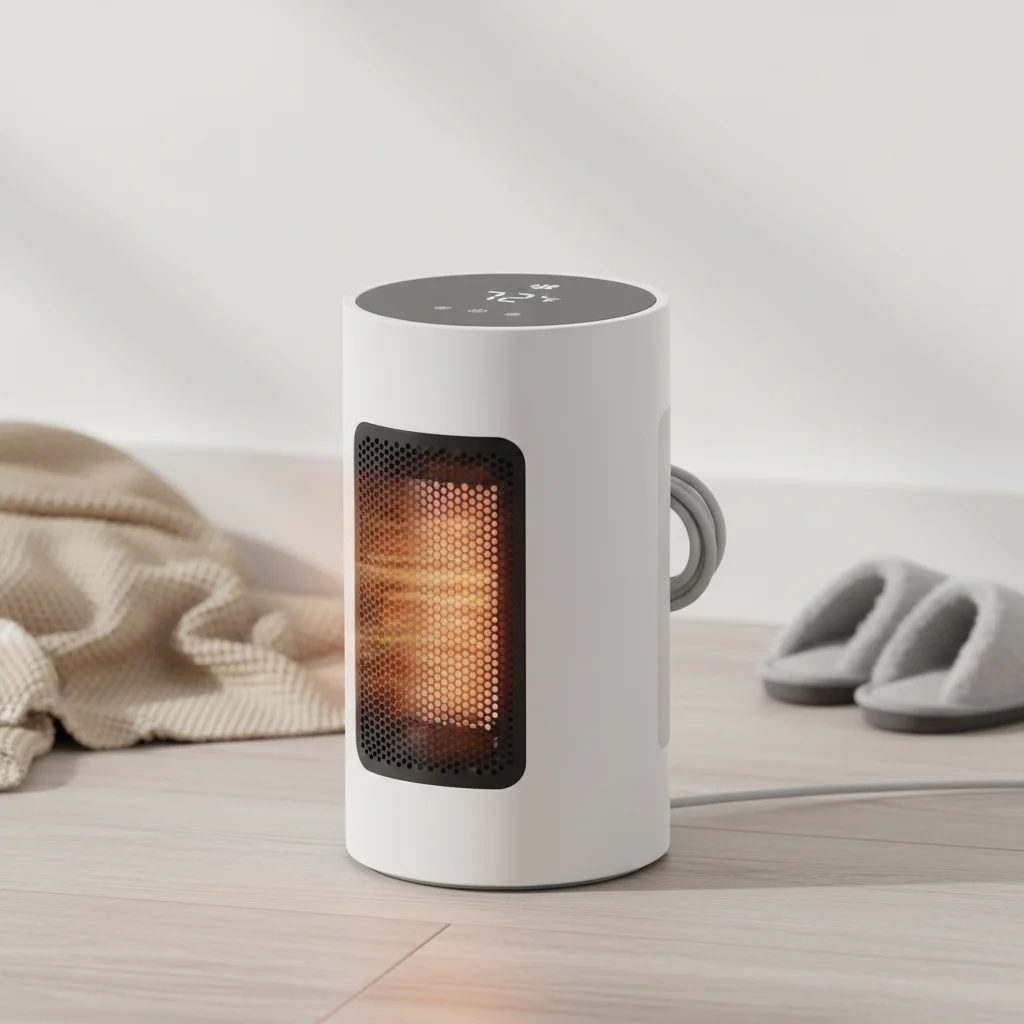
Choosing the right space heater for a small room primarily depends on its square footage and insulation. For rooms typically under 150 square feet, a space heater with an output of 750 to 1,000 watts is generally required to provide adequate warmth. This wattage range ensures efficient heating without overwhelming the space or consuming excessive energy, though factors like ceiling height, window count, and local climate can influence the precise wattage needed.
Understanding Room Size and Wattage Requirements
The fundamental principle for selecting a space heater is matching its wattage to the room’s size. A common guideline suggests 10 watts per square foot for effective heating. Therefore, a 100-square-foot room ideally needs a 1,000-watt heater. For very small spaces, such as a home office or a compact bedroom, a 750-watt unit might suffice, especially if the room is well-insulated. Conversely, a slightly larger small room approaching 150 square feet, or one with poor insulation, might benefit from a unit closer to 1,200 watts to ensure consistent comfort.
It’s crucial to avoid oversizing a heater for a small room, as this can lead to unnecessary energy consumption and frequent cycling, which reduces efficiency. Undersizing, on the other hand, will result in the heater running constantly without ever reaching the desired temperature, also wasting energy and failing to provide comfort.
Types of Space Heaters Best Suited for Small Rooms
Several types of space heaters are well-suited for small rooms, each with distinct advantages. Ceramic heaters are popular due to their compact size, quick heating capabilities, and safety features like tip-over switches and overheat protection. Radiant heaters, particularly oil-filled radiators, offer a more consistent and gentle heat, making them ideal for bedrooms where quiet operation is valued. Convection heaters, while sometimes larger, can effectively warm an entire small room by circulating heated air.
- Ceramic heaters: Excellent for quick, direct heat and portability.
- Oil-filled radiators: Provide silent, sustained warmth, good for bedrooms.
- Infrared heaters: Target objects and people directly, efficient for personal warmth.
- Micathermic heaters: Combine radiant and convection heat for fast, even distribution.
- Panel heaters: Slim design, can be wall-mounted, saving floor space.
Key Features to Look for in a Small Room Heater
|
Our Picks for the Best Space Heater in 2026
As an Amazon Associate I earn from qualifying purchases.
|
||
| Num | Product | Action |
|---|---|---|
| 1 | DREO Quiet Space Heater, 1500W Portable Heaters for Indoor Use with Remote, 70° Oscillation, Fast and Safety Electric PTC Ceramic for Desk Office Bedroom, 12H Timer |

|
| 2 | DREO Space Heater, Portable Electric Heaters for Indoor Use with Thermostat and Remote, 2024 Upgraded, Digital Display, 12H Timer, 5 Mode, 1500W PTC Ceramic Fast Safety Heat for Office Bedroom Home |
|
| 3 | Dreo Space Heater 1500W, 60° Adjustable Tilt, 10.5ft/s Portable Electric Heaters for Indoor Use with Thermostat, 8 Safety Protections, 3 Modes, Remote, Quiet Desk Heater for Bedroom, Office, Black |
|
| 4 | DREO Space Heater, 1500W Electric Heaters for Indoor Use with Thermostat, 70° Oscillation, 8 Safety Protections, 5 Modes, Remote, 12H Timer, Quiet Portable Heater for Office, Bedroom, Large Room |
|
| 5 | DREO Space Heater, 1500W Portable Electric Heaters for Indoor Use, PTC Ceramic Heater for Office with Remote, Thermostat, 70°Oscillation, 12H Timer, 5 Modes, Safe Quiet Room Heater for Bedroom |
|
| 6 | Dr Infrared Heater DR-968 Portable Space Heater, 1500-Watt, Cherry |
|
| 7 | DREO Space Heater for Large Room, 23 Inch Electric Heaters for Indoor Use, 8 Safe Protection Tower, 70° Oscillation, PTC Ceramic with Thermostat and Remote, Quiet, 12H Timer, Bedroom, Office |
|
| 8 | DREO Atom One Space Heater with Remote, 70°Oscillating Electric Heaters with Digital Thermostat, 1500W PTC Ceramic Heater, 12h Timer, Quiet Safety Heating, Portable Heater for Home Office |
|
| 9 | DREO Space Heater, Portable Electric Heaters for Indoor Use with Thermostat and Remote, 2024 Upgraded, Digital Display, 12H Timer, 5 Mode, 1500W PTC Ceramic Fast Safety Heat for Office Bedroom Home |
|
| 10 | DREO Space Heater Indoor, 25" 11.5ft/s Fast Portable Room Heater with Remote and Thermostat, 3 Modes, Overheating & Tip-Over Protection, Electric Heaters for Indoor Use Large Room, Bedroom, Gold |
|
When purchasing a space heater for a small room, several features enhance both comfort and safety. A thermostat is essential for maintaining a consistent temperature and preventing overheating. Timers allow you to program the heater to turn on or off at specific times, saving energy. Safety features such as tip-over protection, which automatically shuts off the unit if it’s knocked over, and overheat protection are paramount, especially in smaller spaces where accidents can occur more easily. Look for models with cool-touch exteriors to prevent accidental burns.
Portability is another valuable feature, allowing you to move the heater between different small rooms as needed. Many compact models come with integrated handles or lightweight designs for easy relocation.
Energy Efficiency and Cost Considerations
While all electric space heaters consume electricity, their efficiency in heating a small room can vary. Look for models with multiple heat settings, allowing you to use a lower wattage when less heat is required. Eco-mode or energy-saving settings can also help reduce electricity consumption. Although the initial cost of a space heater can range widely, investing in a model with good energy-saving features can lead to significant savings on your electricity bill over time. Consider the heater’s wattage and how many hours you plan to use it daily to estimate its operating cost.
For example, a 1,000-watt heater running for 8 hours a day at an average electricity cost of $0.15 per kilowatt-hour would cost approximately $1.20 per day. Understanding these costs helps in making an informed decision that balances warmth with your budget.
Placement and Safety Tips for Small Rooms
Proper placement is critical for both safety and efficiency in a small room. Always place the space heater on a stable, level surface, away from high-traffic areas where it could be easily knocked over. Maintain a minimum distance of three feet (about one meter) from all flammable materials, including curtains, furniture, bedding, and paper. Never use an extension cord with a space heater, as they can overheat and pose a fire hazard; plug the heater directly into a wall outlet.
Ensure the heater is not placed in areas where it could come into contact with water, such as bathrooms, unless it is specifically rated for damp environments. Regularly inspect the heater’s cord for any signs of damage and ensure the unit is clean and free of dust buildup, which can impede airflow and create a fire risk. Always turn off and unplug the heater when leaving the room or going to sleep.
Frequently Asked Questions
What wattage space heater is needed for a small room?
For a small room, typically under 150 square feet, a space heater with an output of 750 to 1,000 watts is generally recommended. This wattage range provides efficient heating without consuming excessive energy, though factors like insulation can slightly alter the ideal requirement.
What types of space heaters are best for small rooms?
Ceramic heaters are excellent for quick, direct heat and portability in small rooms. Oil-filled radiators provide silent, sustained warmth, making them ideal for bedrooms. Convection heaters can also effectively warm an entire small room by circulating heated air.
What safety features are important for a small room heater?
Essential safety features for a small room heater include tip-over protection, which automatically shuts off the unit if it's knocked over, and overheat protection. A thermostat is also crucial for maintaining consistent temperature and preventing overheating, along with cool-touch exteriors.
How can I make my small room space heater more energy efficient?
To make your small room space heater more energy efficient, look for models with multiple heat settings and eco-mode or energy-saving features. Using a thermostat to maintain a consistent temperature and programming timers to turn the heater on or off at specific times can also reduce electricity consumption.
What is the recommended distance for placing a space heater from flammable materials?
Always maintain a minimum distance of three feet (about one meter) between a space heater and all flammable materials. This includes curtains, furniture, bedding, and paper to prevent fire hazards. Ensure the heater is on a stable, level surface and never use an extension cord.
Choosing the Right Space Heater for a Small Room
Select an appropriate space heater for your small room by considering its size, wattage, and essential safety features.
Measure your room's square footage. A general guideline is 10 watts per square foot; thus, a 100-square-foot room needs a 1,000-watt heater. Adjust slightly for insulation quality.
Consider ceramic heaters for quick heat, oil-filled radiators for silent, consistent warmth, or convection heaters for circulating heated air. Each type offers distinct advantages for small spaces.
Look for models with tip-over protection, overheat protection, and a thermostat. Cool-touch exteriors are also important to prevent accidental burns, especially in compact areas.
Select heaters with multiple heat settings, eco-modes, or timers to manage energy consumption. This helps balance initial cost with long-term electricity savings.
Place the heater on a stable surface, at least three feet from flammable materials. Always plug directly into a wall outlet and never use an extension cord to prevent fire hazards.

I tried to follow the advice for my small bathroom, which is under 50 sq ft, so I looked for a 750-watt unit. It does warm up the room, but it takes a little longer than I expected, especially with the high ceilings. I guess the ceiling height really does make a difference, as mentioned. It’s okay, but not super fast.
I was always guessing with space heaters, but the tip about 10 watts per square foot was a game-changer. My home office is about 90 sq ft, so I grabbed a 900-watt unit, and it’s perfect. No more freezing while I work, and it doesn’t feel like it’s sucking all the power. Really appreciate the clear guidance.
Finally, a straightforward explanation! I’ve been looking for a space heater for my compact bedroom, which is around 110 square feet. The recommendation for a 1,000-watt heater for rooms under 150 sq ft was spot on. It keeps my room toasty without running constantly, which saves on the electric bill.
This was super helpful for figuring out what I actually needed. I have a small bedroom, maybe 120 square feet, and I was considering a much larger heater. Ended up getting a 1200-watt model based on the advice, and it heats up the room quickly without making the air too dry. Good to know about not overwhelming the space.