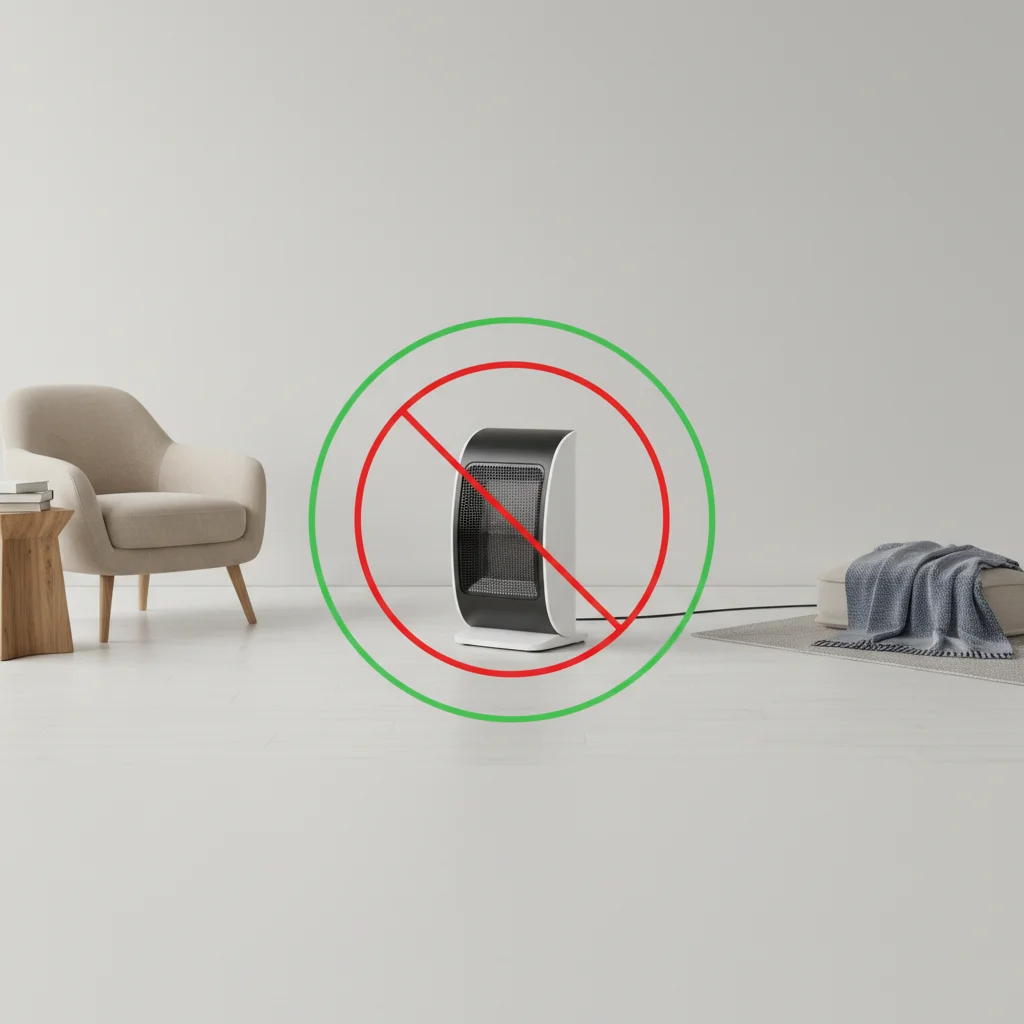
For optimal space heater safety, it is recommended to keep your space heater at least three feet (one meter) away from all flammable materials, including furniture. This distance provides a crucial buffer to prevent accidental fires and ensure safe operation in your home or office, as established by fire safety organizations.
Understanding the Three-Foot Rule
The three-foot rule is a fundamental guideline for space heater placement. This distance accounts for the radiant heat emitted by the heater, which can gradually increase the temperature of nearby objects. Even if an object doesn’t immediately ignite, prolonged exposure to heat can dry out materials, making them more susceptible to combustion. Adhering to this rule significantly reduces the risk of a fire incident.
Why Furniture Poses a Risk
Furniture, especially upholstered items like sofas, chairs, and curtains, is often made from highly flammable materials. Fabrics, foam, and wood can easily catch fire if exposed to direct heat or sparks from a malfunctioning space heater. Additionally, items like blankets, throws, and decorative pillows frequently found on or near furniture further increase the fire load in a room. Maintaining a clear zone around your heater is paramount.
Safe Placement Strategies Beyond Distance
|
Our Picks for the Best Space Heater in 2026
As an Amazon Associate I earn from qualifying purchases.
|
||
| Num | Product | Action |
|---|---|---|
| 1 | DREO Space Heater Indoor, 25" 11.5ft/s Fast Portable Room Heater with Remote and Thermostat, 3 Modes, Overheating & Tip-Over Protection, Electric Heaters for Indoor Use Large Room, Bedroom, Gold |

|
| 2 | Dr Infrared Heater DR-968 Portable Space Heater, 1500-Watt, Cherry |
|
| 3 | DREO Space Heater, Portable Electric Heaters for Indoor Use with Thermostat and Remote, 2024 Upgraded, Digital Display, 12H Timer, 5 Mode, 1500W PTC Ceramic Fast Safety Heat for Office Bedroom Home |
|
| 4 | DREO Space Heater, 1500W Portable Electric Heaters for Indoor Use, PTC Ceramic Heater for Office with Remote, Thermostat, 70°Oscillation, 12H Timer, 5 Modes, Safe Quiet Room Heater for Bedroom |
|
| 5 | DREO Space Heater, Portable Electric Heaters for Indoor Use with Thermostat and Remote, 2024 Upgraded, Digital Display, 12H Timer, 5 Mode, 1500W PTC Ceramic Fast Safety Heat for Office Bedroom Home |
|
| 6 | DREO Atom One Space Heater with Remote, 70°Oscillating Electric Heaters with Digital Thermostat, 1500W PTC Ceramic Heater, 12h Timer, Quiet Safety Heating, Portable Heater for Home Office |
|
| 7 | DREO Space Heater for Large Room, 23 Inch Electric Heaters for Indoor Use, 8 Safe Protection Tower, 70° Oscillation, PTC Ceramic with Thermostat and Remote, Quiet, 12H Timer, Bedroom, Office |
|
| 8 | DREO Quiet Space Heater, 1500W Portable Heaters for Indoor Use with Remote, 70° Oscillation, Fast and Safety Electric PTC Ceramic for Desk Office Bedroom, 12H Timer |
|
| 9 | Dreo Space Heater 1500W, 60° Adjustable Tilt, 10.5ft/s Portable Electric Heaters for Indoor Use with Thermostat, 8 Safety Protections, 3 Modes, Remote, Quiet Desk Heater for Bedroom, Office, Black |
|
| 10 | DREO Space Heater, 1500W Electric Heaters for Indoor Use with Thermostat, 70° Oscillation, 8 Safety Protections, 5 Modes, Remote, 12H Timer, Quiet Portable Heater for Office, Bedroom, Large Room |
|
While the three-foot rule is critical, other placement strategies enhance safety. Always place your space heater on a stable, level surface where it cannot be easily knocked over. Avoid placing it on carpets or rugs, especially those with long piles, as these can impede airflow and increase heat buildup. Never use a space heater in high-traffic areas where it could be tripped over or come into contact with pets or children.
- Ensure the heater is on a hard, non-combustible surface.
- Never leave a space heater unattended while in operation.
- Plug the heater directly into a wall outlet; avoid extension cords.
- Regularly inspect the heater for damaged cords or components.
- Keep children and pets away from the operating heater.
Choosing a Safe Space Heater
When purchasing a space heater, look for models equipped with modern safety features. These often include tip-over protection, which automatically shuts off the unit if it’s accidentally knocked over, and overheat protection, which turns off the heater if it reaches an unsafe temperature. Many newer models also feature cool-touch exteriors, reducing the risk of burns upon accidental contact.Consider the room size and choose a heater with appropriate wattage to avoid overworking the unit.
Regular Maintenance and Inspection
Even with proper placement and safety features, regular maintenance is essential. Dust and debris can accumulate on heating elements and in vents, reducing efficiency and posing a fire hazard. Unplug your heater and clean it according to the manufacturer’s instructions at least once a month during periods of frequent use. Inspect the power cord for any fraying, cuts, or damage, and ensure the plug fits snugly into the outlet. If you notice any unusual smells, sounds, or visible damage, discontinue use immediately.
Frequently Asked Questions
What is the recommended safe distance for a space heater from furniture?
The recommended safe distance for a space heater from furniture and other flammable materials is at least three feet (one meter). This guideline is established by fire safety organizations to prevent accidental fires caused by radiant heat.
Why is the three-foot rule important for space heater placement?
The three-foot rule is important because it accounts for the radiant heat emitted by the heater, which can gradually increase the temperature of nearby objects. Prolonged heat exposure can dry out materials like fabrics and wood, making them more susceptible to combustion.
What types of furniture pose a fire risk near space heaters?
Upholstered furniture such as sofas, chairs, and curtains, along with items like blankets and decorative pillows, pose a significant fire risk. These materials are often highly flammable and can easily ignite if exposed to direct heat or sparks from a space heater.
What safety features should I look for when buying a space heater?
When buying a space heater, look for models with tip-over protection, which automatically shuts off the unit if it's knocked over, and overheat protection, which turns off the heater if it reaches an unsafe temperature. Cool-touch exteriors are also beneficial to prevent burns.
How often should I clean my space heater for safety?
You should clean your space heater at least once a month during periods of frequent use. Unplug the heater and remove dust and debris from heating elements and vents according to the manufacturer's instructions to prevent fire hazards and maintain efficiency.

I’ve always been a bit paranoid about space heaters, especially with my kids and pets around. The three-foot rule mentioned here really put my mind at ease. I rearranged my living room to make sure everything was clear, and now I feel much safer using our heater in the colder months. It’s a simple guideline but so important for peace of mind.
This was a really helpful read. I never really thought about how prolonged exposure to heat could make things more susceptible to combustion, even if they don’t immediately catch fire. We have a small office space, and I’ve been much more diligent about checking the distance from my desk and filing cabinet since reading this. Safety first!
Good info on keeping heaters away from curtains and other upholstered items. I used to just eyeball it, but understanding how radiant heat can dry out materials over time makes a lot of sense. I’m glad I read this before winter really kicks in. My only minor complaint is that it can be tricky to find a spot in smaller rooms that truly adheres to the full three feet.
I appreciate the emphasis on fire safety organizations and their recommendations. It’s good to know these guidelines aren’t just arbitrary. However, I wish there was a bit more detail on specific types of heaters and if the rule changes for, say, an oil-filled radiator versus a ceramic fan heater. Still, it’s a solid reminder to be careful.