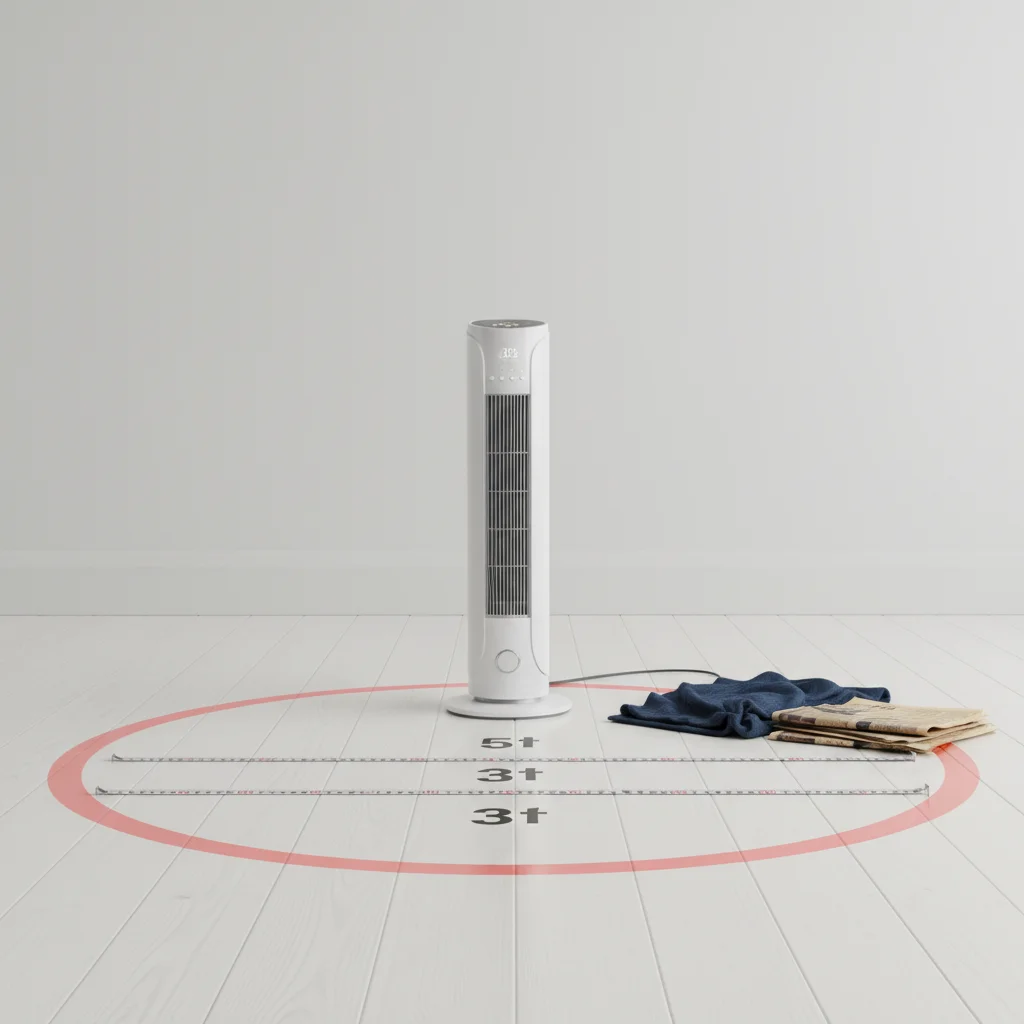
To prevent fires, a space heater should be placed at least three feet (approximately one meter) away from any combustible items, including curtains, bedding, furniture, and paper. This three-foot rule is a widely recommended guideline by fire safety organizations to ensure adequate clearance and minimize the risk of accidental ignition, as space heaters generate significant heat that can cause materials to ignite if too close for an extended period.
Understanding the Three-Foot Rule for Fire Prevention
The three-foot rule is based on extensive fire safety research and incident data. Even radiant heat from space heaters can cause materials to ignite if they are too close for an extended period. Curtains, often made from synthetic or lightweight fabrics, are particularly susceptible to catching fire quickly. Adhering to this minimum distance creates a buffer zone, allowing heat to dissipate safely before it can affect nearby objects. Always double-check the manufacturer’s specific recommendations, as some models may require even greater clearance.
Identifying Common Fire Hazards Around Space Heaters
Beyond curtains, several other household items pose a significant fire risk if placed too close to a space heater. These include upholstered furniture, rugs, carpets, clothing, pet beds, and even stacks of newspapers or magazines. It’s essential to scan the area around your space heater before turning it on to ensure all such items are well outside the three-foot safety zone. Additionally, avoid placing space heaters in high-traffic areas where they might be accidentally knocked over, or where cords could become tripping hazards.
Safe Placement and Operation Tips for Space Heaters
|
Our Picks for the Best Space Heater in 2026
As an Amazon Associate I earn from qualifying purchases.
|
||
| Num | Product | Action |
|---|---|---|
| 1 | DREO Space Heater Indoor, 25" 11.5ft/s Fast Portable Room Heater with Remote and Thermostat, 3 Modes, Overheating & Tip-Over Protection, Electric Heaters for Indoor Use Large Room, Bedroom, Gold |

|
| 2 | DREO Space Heater, Portable Electric Heaters for Indoor Use with Thermostat and Remote, 2024 Upgraded, Digital Display, 12H Timer, 5 Mode, 1500W PTC Ceramic Fast Safety Heat for Office Bedroom Home |
|
| 3 | Dr Infrared Heater DR-968 Portable Space Heater, 1500-Watt, Cherry |
|
| 4 | DREO Space Heater, 1500W Portable Electric Heaters for Indoor Use, PTC Ceramic Heater for Office with Remote, Thermostat, 70°Oscillation, 12H Timer, 5 Modes, Safe Quiet Room Heater for Bedroom |
|
| 5 | DREO Quiet Space Heater, 1500W Portable Heaters for Indoor Use with Remote, 70° Oscillation, Fast and Safety Electric PTC Ceramic for Desk Office Bedroom, 12H Timer |
|
| 6 | DREO Space Heater, Portable Electric Heaters for Indoor Use with Thermostat and Remote, 2024 Upgraded, Digital Display, 12H Timer, 5 Mode, 1500W PTC Ceramic Fast Safety Heat for Office Bedroom Home |
|
| 7 | Dreo Space Heater 1500W, 60° Adjustable Tilt, 10.5ft/s Portable Electric Heaters for Indoor Use with Thermostat, 8 Safety Protections, 3 Modes, Remote, Quiet Desk Heater for Bedroom, Office, Black |
|
| 8 | DREO Atom One Space Heater with Remote, 70°Oscillating Electric Heaters with Digital Thermostat, 1500W PTC Ceramic Heater, 12h Timer, Quiet Safety Heating, Portable Heater for Home Office |
|
| 9 | DREO Space Heater, 1500W Electric Heaters for Indoor Use with Thermostat, 70° Oscillation, 8 Safety Protections, 5 Modes, Remote, 12H Timer, Quiet Portable Heater for Office, Bedroom, Large Room |
|
| 10 | DREO Space Heater for Large Room, 23 Inch Electric Heaters for Indoor Use, 8 Safe Protection Tower, 70° Oscillation, PTC Ceramic with Thermostat and Remote, Quiet, 12H Timer, Bedroom, Office |
|
Proper placement is just one aspect of safe space heater operation. Always place your heater on a flat, stable, non-flammable surface. Never use an extension cord with a space heater, as they can overheat and cause fires; plug the heater directly into a wall outlet. Ensure the outlet is not overloaded with other appliances. Regularly inspect the heater’s cord for fraying or damage, and discontinue use if any issues are found. Modern space heaters often come with safety features like tip-over switches and automatic shut-off, which are highly recommended.
- Always plug the space heater directly into a wall outlet.
- Maintain a minimum three-foot clearance from all flammable materials.
- Place the heater on a stable, level, non-flammable surface.
- Never leave a space heater unattended, especially when sleeping.
- Regularly check the power cord for any signs of damage.
Choosing a Space Heater with Advanced Safety Features
When purchasing a new space heater, prioritize models that incorporate advanced safety features. Look for certifications from recognized testing laboratories like UL (Underwriters Laboratories). Key safety features include tip-over protection, which automatically shuts off the unit if it’s accidentally knocked over, and overheat protection, which turns off the heater if it reaches an unsafe internal temperature. Cool-touch exteriors are also beneficial, especially in homes with children or pets, to prevent accidental burns.These features significantly reduce the risk of accidents and provide greater peace of mind.
Regular Maintenance for Continued Safe Operation
Even with proper placement and safety features, regular maintenance is vital for the long-term safe operation of your space heater. Dust and debris can accumulate on heating elements and in air vents, reducing efficiency and potentially creating a fire hazard. Periodically unplug the heater and gently clean its exterior and vents according to the manufacturer’s instructions. Never attempt to open the heater’s casing or repair internal components yourself. If you notice any unusual noises, smells, or performance issues, discontinue use immediately and consider replacing the unit.A well-maintained heater is a safer heater.
Frequently Asked Questions
How far should a space heater be from curtains?
A space heater should be placed at least three feet (approximately one meter) away from curtains and any other combustible materials. This distance creates a crucial buffer zone to prevent accidental ignition from the heater's radiant heat.
What is the three-foot rule for space heaters?
The three-foot rule is a fire safety guideline recommending that space heaters be kept at least three feet away from all flammable items. This rule is based on fire safety research to ensure heat dissipates safely and reduces fire risk.
Can I use an extension cord with a space heater?
No, you should never use an extension cord with a space heater. Space heaters draw significant power, and extension cords can overheat, leading to potential fires. Always plug the heater directly into a wall outlet.
What safety features should I look for in a space heater?
When buying a space heater, prioritize models with tip-over protection, overheat protection, and cool-touch exteriors. Look for certifications from recognized testing laboratories like UL (Underwriters Laboratories) to ensure product safety standards.
What are common fire hazards around space heaters?
Common fire hazards around space heaters include upholstered furniture, rugs, carpets, clothing, pet beds, and stacks of newspapers or magazines. Ensure all these items are well outside the three-foot safety zone before operating the heater.
How to Safely Operate a Space Heater
Follow these steps to ensure safe operation and placement of your space heater, minimizing fire risks in your home.
Place your space heater at least three feet (one meter) away from all flammable materials, including curtains, furniture, bedding, and paper. This creates a safe buffer zone for heat dissipation.
Always plug the space heater directly into a dedicated wall outlet. Never use an extension cord, as they can overheat and pose a significant fire hazard due to the high power draw of space heaters.
Ensure the space heater is placed on a flat, stable, and non-flammable surface to prevent it from tipping over. Avoid placing it on rugs or carpets that could obstruct vents or pose a fire risk.
Do not leave a space heater unattended, especially when sleeping or leaving the house. Modern heaters with tip-over and overheat protection offer enhanced safety, but constant vigilance is still recommended.
Periodically inspect the power cord for any fraying or damage and clean the heater's exterior and vents according to manufacturer instructions. Discontinue use immediately if you notice unusual noises, smells, or performance issues.

This is exactly what people need to hear. I’ve seen too many close calls with heaters placed too near curtains or bedding. The explanation about lightweight fabrics being particularly susceptible to catching fire quickly really drives the point home. It’s not just about direct contact; that radiant heat is a real danger if you’re not careful.
Good info here. I used to just eyeball the distance, but understanding that even radiant heat can be an issue really made me rethink things. I moved my heater further away from my desk and some papers I had stacked up. It’s a simple guideline, but it’s easy to forget how important that buffer zone is, especially with older models.
I’ve always been a bit nervous about using space heaters, especially with kids and pets around. The reminder about the three-foot rule for fire prevention was super helpful. I made sure to clear out a good zone in our living room, and now I feel much safer running it on chilly mornings. It’s a small change but makes a big difference for peace of mind.
The three-foot rule is definitely important, and I appreciate the emphasis on it. My only minor complaint is that sometimes it’s hard to find a spot in a smaller room where you can truly keep it three feet from *everything*. I had to rearrange a lot of furniture to make it work, which was a bit of a hassle. Still, safety first, I guess.