Oil-filled radiator space heaters are an excellent choice for consistent, gentle warmth without the noise or dry air associated with other heating methods. These heaters utilize electricity to warm a sealed diathermic oil, radiating heat silently and efficiently into a room. They are particularly effective for prolonged use, offering a unique blend of safety, energy efficiency, and quiet operation, making them ideal for creating a cozy living environment.
Choosing the Right Space Heater for You
Deciding on the perfect space heater involves understanding the different technologies available and how they align with your specific heating needs. While the market offers a range of options, oil-filled radiators excel in providing a particular type of warmth.
Popular Types of Space Heaters
Space heaters generally fall into a few main categories, each with distinct operational mechanisms: For explore our reviews reviews on this site.
- Oil-Filled Radiators: These heaters utilize electricity to warm a special diathermic oil sealed within their metal fins. The heated oil then circulates, radiating warmth into the surrounding area through a combination of convection and radiant heat. The system is entirely self-contained, meaning the oil never needs refilling or replacing. They are renowned for their silent operation and ability to provide a consistent, long-lasting heat.
- Convection Heaters (e.g., Ceramic, Fan-forced): These heaters typically use an electric heating element (like ceramic plates or coils) to rapidly generate heat. A fan then blows air over the hot element, quickly distributing warm air into the room. They are known for their fast heat-up times and immediate warming effect.
Pros and Cons of Each Type
Understanding the advantages and disadvantages of each heater type is crucial for an informed decision, especially when comparing oil-filled radiators to fan-forced alternatives.
Oil-Filled Radiators
- Pros:
- Consistent, Gentle Warmth: They heat objects and the air slowly and evenly, creating a comfortable, pervasive warmth.
- Quiet Operation: Without a fan, they run almost silently, making them ideal for bedrooms, nurseries, and offices.
- Energy Efficiency for Prolonged Use: Thanks to thermal inertia, the oil retains heat and continues to radiate warmth even after the heating element cycles off, reducing continuous power draw.
- Doesn’t Dry Out Air: The absence of a fan means they don’t circulate dust or reduce humidity, which can be beneficial for those with allergies or respiratory sensitivities.
- Enhanced Safety: The heating element is sealed within the unit, eliminating exposed coils or flames.
- Low Maintenance: The sealed oil system requires no refills or servicing.
- Cons:
- Slow Heat-Up Time: They take longer to reach their peak temperature compared to fan-forced heaters.
- Heavier and Bulkier: Generally larger and heavier due to the internal oil and metal construction, potentially making them less convenient for frequent relocation without wheels.
Convection/Fan-forced Heaters (e.g., Ceramic Heaters)
- Pros:
- Fast, Instant Heat: Quickly warm up a localized area, providing immediate comfort.
- Lightweight and Portable: Often compact and easy to move around.
- Cons:
- Noisy: Fans can create noticeable background noise.
- Can Dry Out Air: Circulate air, which may also circulate dust and reduce room humidity.
- Less Energy Efficient for Long Use: They stop producing heat almost immediately after turning off, requiring more frequent cycling to maintain temperature, potentially increasing energy consumption over extended periods.
- Potential for Hot Spots: Heat distribution can be uneven, leading to warm and cool zones.
Here is a detailed comparison between oil-filled radiators and typical fan-forced electric heaters:
| Feature | Oil-Filled Radiator | Fan-Forced Electric Heater |
|---|---|---|
| Warm-up Time | Slower (10-30 minutes) | Fast (Instant to 5 minutes) |
| Heat Type | Radiates slow, sustained, even heat (convection & radiant) | Blows warm air (convection) |
| Noise Level | Virtually silent (may have faint thermostat clicks) | Can be noisy due to fan operation |
| Energy Efficiency | Excellent for sustained, long-duration heating | Good for quick, targeted heating |
| Air Moisture | Does not dry out the air | May slightly dry out the air |
| Portability | Heavier, often with wheels | Lighter, very portable |
| Safety Concerns | Cool-touch exterior (housing), sealed element, fire risk low | Hot heating elements, higher burn/fire risk if misused |
Power and Room Size
|
Our Picks for the Best Space Heater in 2026
As an Amazon Associate I earn from qualifying purchases.
|
||
| Num | Product | Action |
|---|---|---|
| 1 | DREO Atom One Space Heater with Remote, 70°Oscillating Electric Heaters with Digital Thermostat, 1500W PTC Ceramic Heater, 12h Timer, Quiet Safety Heating, Portable Heater for Home Office |

|
| 2 | DREO Space Heater Indoor, 25" 11.5ft/s Fast Portable Room Heater with Remote and Thermostat, 3 Modes, Overheating & Tip-Over Protection, Electric Heaters for Indoor Use Large Room, Bedroom, Gold |
|
| 3 | Dr Infrared Heater DR-968 Portable Space Heater, 1500-Watt, Cherry |
|
| 4 | DREO Space Heater for Large Room, 23 Inch Electric Heaters for Indoor Use, 8 Safe Protection Tower, 70° Oscillation, PTC Ceramic with Thermostat and Remote, Quiet, 12H Timer, Bedroom, Office |
|
| 5 | DREO Space Heater, Portable Electric Heaters for Indoor Use with Thermostat and Remote, 2024 Upgraded, Digital Display, 12H Timer, 5 Mode, 1500W PTC Ceramic Fast Safety Heat for Office Bedroom Home |
|
| 6 | DREO Quiet Space Heater, 1500W Portable Heaters for Indoor Use with Remote, 70° Oscillation, Fast and Safety Electric PTC Ceramic for Desk Office Bedroom, 12H Timer |
|
| 7 | DREO Space Heater, 1500W Portable Electric Heaters for Indoor Use, PTC Ceramic Heater for Office with Remote, Thermostat, 70°Oscillation, 12H Timer, 5 Modes, Safe Quiet Room Heater for Bedroom |
|
| 8 | DREO Space Heater, Portable Electric Heaters for Indoor Use with Thermostat and Remote, 2024 Upgraded, Digital Display, 12H Timer, 5 Mode, 1500W PTC Ceramic Fast Safety Heat for Office Bedroom Home |
|
| 9 | DREO Space Heater, 1500W Electric Heaters for Indoor Use with Thermostat, 70° Oscillation, 8 Safety Protections, 5 Modes, Remote, 12H Timer, Quiet Portable Heater for Office, Bedroom, Large Room |
|
| 10 | Dreo Space Heater 1500W, 60° Adjustable Tilt, 10.5ft/s Portable Electric Heaters for Indoor Use with Thermostat, 8 Safety Protections, 3 Modes, Remote, Quiet Desk Heater for Bedroom, Office, Black |
|
Selecting a space heater with the appropriate wattage for your room size is paramount for both efficiency and comfort. An undersized heater will struggle to warm the space adequately, leading to wasted energy as it runs continuously without reaching the desired temperature. Conversely, an oversized heater might overheat the room, also wasting energy.
A common guideline is to allocate approximately 10 watts of heating power for every square foot of floor space in a room with average insulation and ceiling height. For those working with square meters, a good rule of thumb is 100 watts per square meter. For instance, a 1500-watt oil-filled radiator is typically effective for rooms up to 150-250 square feet (approximately 14-23 square meters).
However, several factors can influence this calculation:
- Insulation Quality: Well-insulated rooms require less wattage, while poorly insulated rooms (e.g., those with old windows, drafts, or minimal wall insulation) will need more power to compensate for heat loss. Consider adding 10-20% to your wattage estimate for poorly insulated spaces.
- Ceiling Height: Rooms with higher ceilings have a greater volume of air to heat, thus requiring more powerful units.
- Climate: Colder climates will naturally demand more robust heating solutions.
- Personal Preference: Some individuals simply prefer a warmer environment and might opt for a higher-wattage heater even if their room size suggests a lower output.
Many manufacturers provide recommended room sizes for their specific models, which should always be consulted. For precise calculations, online heat calculators can offer tailored estimates based on your room’s dimensions and insulation type.
Essential Safety Features
Safety should always be a non-negotiable factor when choosing any heating appliance. While oil-filled radiators are inherently safer than many alternatives due to their sealed design and lack of exposed elements, modern models incorporate advanced safety features for ultimate peace of mind.
- Overheat Protection / Thermal Cut-Off: This vital feature automatically shuts off the heater if its internal components reach an unsafe temperature, preventing potential damage or fire hazards. This is crucial if the heater is accidentally covered or if there’s an internal malfunction.
- Tip-Over Switch: An indispensable safety mechanism, a tip-over switch instantly cuts power to the unit if it is accidentally knocked over. This feature is particularly important in households with children or pets who might inadvertently destabilize the heater.
- Cool-Touch Exterior: While the fins of an oil-filled radiator will naturally get warm, the outer casing, handles, and control panel should remain cool or only mildly warm to the touch. This prevents accidental burns, especially important for families.
- Child Lock: Available on many digital models, a child lock feature prevents curious little hands from changing settings or turning the unit on or off without supervision.
- ETL or UL Certification: Look for heaters that bear certifications from independent safety testing organizations like ETL or UL. These certifications confirm that the product meets stringent electrical safety standards.
Beyond built-in features, user practices are equally important. Always place your heater on a firm, flat surface, ensuring adequate clearance from walls, furniture, curtains, and any other flammable materials. Never cover the radiator or block its airflow, as this can lead to overheating. Avoid using extension cords, which can pose a fire risk; always plug the heater directly into a wall outlet.
Comparing Leading Oil-Filled Space Heater Brands
The market for oil-filled radiator space heaters features several reputable brands, each bringing its own strengths to the table. Understanding these brands can help you narrow down your choices.
- DeLonghi: A premium brand known for its robust build quality, advanced features, and often sleek designs. DeLonghi models frequently include precise digital controls, multiple heat settings, and eco-modes for energy saving. They typically come with generous warranties, such as a three-year manufacturer’s warranty, reflecting their commitment to durability and reliability.
- Dreo: Positioned in the mid-range category, Dreo has gained popularity for blending modern styling with practical features. Their oil-filled radiators often boast digital readouts, remote controls, and innovative fin designs (like M-shaped fins) that enhance heat dissipation and efficiency. They offer a great balance of features, performance, and value.
- Pelonis: This brand focuses on delivering dependable heating solutions with a strong emphasis on value. Pelonis heaters are often more straightforward, featuring basic manual controls, but consistently provide reliable warmth and cover a significant area for their price point. They are a solid choice for those prioritizing function over an abundance of smart features.
- Amazon Basics: As a budget-friendly option, Amazon Basics provides no-frills oil-filled radiators that deliver essential heating functionality. While they might lack advanced digital interfaces or premium finishes, they are often ETL certified and offer reliable warmth for smaller spaces at an accessible price.
- Pro Breeze: Known for producing powerful and efficient heating solutions, Pro Breeze offers oil-filled radiators that are well-suited for medium to large rooms. Their models often provide a good balance of performance and features within an affordable price range.
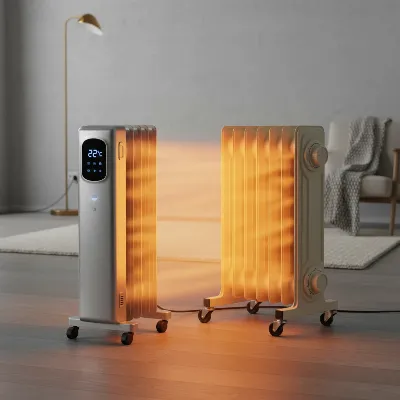 A side-by-side comparison of different oil-filled radiator designs for an article on space heaters.
Table of the Best Oil-Filled Space Heater Models
To help you make an informed decision, here’s a detailed comparison of some of the top oil-filled radiator space heaters available in 2026, considering their features, performance, and ideal use cases.
| Model | Key Features | Coverage Area | Pros | Cons |
|---|---|---|---|---|
| DeLonghi Dragon 4 (TRD40615E) | Digital controls, 5 heat modes (Eco Plus), 44°-82°F thermostat, 3-year warranty | 150-250 sq ft | Precise digital control, consistent silent warmth, excellent build quality, energy-saving Eco Plus mode, long warranty. | Higher price point (around $190), 6-foot power cord (not longer as sometimes listed). |
| Dreo OmegaHeat Radiator Heater | Digital display, remote control, 4 heat settings, 41°-95°F thermostat, child lock, M-shaped fins | Up to 250 sq ft | Modern interface, remote convenience, efficient heating with M-shaped fins, child lock, cool-touch exterior, nearly silent operation, good mid-range value (around $105). | No dedicated cord wrap. |
| DeLonghi EW7707CM | Manual controls, 3 heat settings, Comfort Temp technology (up to 20% energy saving), 3-year warranty | Up to 144 sq ft | Simple manual operation, consistent even warmth, energy-conscious, rust-proof steel, premium brand reliability. | Noticeable “new heater” smell initially, pricier for a manual unit (around $130). |
| Amazon Basics Portable Oil Radiator Heater | Manual dials, 3 wattage settings (600/1000/1500W), ETL certified, cord wrap | Up to 144 sq ft | Very affordable (under $70), simple and straightforward, compact, ETL certified for safety, decent value for small rooms. | Plastic knobs can feel flimsy, takes a long time to heat up initially. |
| Pelonis Oil Filled Radiator Heater (NY1507/PH14A) | Manual controls, 3 heat settings, slim profile, cool-to-touch front panel | Up to 250 sq ft | Great value (under $80), reliable, simple to operate, suitable for larger spaces than comparable budget models. | Awkward handle for moving, product photos misleading regarding fin color. |
| Pro Breeze 2500W Oil Bath Heater | 11 fins, powerful 2500W output | Medium to Large Rooms | Powerful heating for larger spaces, efficient, user-friendly, good value (around $80-$100). | Can be bulky for compact rooms. |
How to Buy the Right Oil-Filled Radiator Space Heater
Purchasing an oil-filled radiator is an investment in your home’s comfort and warmth. To ensure you make the best choice, consider these crucial factors before you buy.
Budget
Oil-filled radiators are available across a range of price points, typically from around $60 to over $200. While budget-friendly options like the Amazon Basics model can provide basic, reliable heating for smaller spaces, investing more often translates to enhanced features, superior build quality, and better temperature accuracy. Higher-priced models from brands like DeLonghi may offer digital controls, eco-modes, and longer warranties, providing better long-term value and convenience. Determine your budget upfront, but also weigh the cost against the features that are most important for your comfort and energy savings.
Usage Needs
Your specific heating requirements will heavily influence your choice.
- Primary vs. Supplementary Heat: Are you looking for a heater to supplement an existing heating system, or will it be the primary heat source for a particular room? For primary heating, especially in regularly used medium to large rooms, a more powerful and feature-rich model with precise thermostat control would be beneficial.
- Room Size: As discussed, match the heater’s wattage to your room’s square footage, accounting for insulation and ceiling height. An 800W mini heater is perfect for a small office or under a desk, while a 1500W or 2500W model is better suited for bedrooms or living areas.
- Duration of Use: Oil-filled radiators excel at sustained, long-duration heating. If you plan to heat a room for several hours or overnight, their heat retention properties make them highly efficient. For quick, intermittent heating, while still effective, their slower warm-up time might be a minor consideration.
Key Features to Look For
Modern oil-filled radiators come with various features designed to enhance convenience, safety, and energy efficiency.
- Controls: Decide between simple manual dials or more advanced digital controls. Digital thermostats allow you to set an exact temperature and often include features like a child lock. Manual controls are straightforward and often found on more budget-friendly models.
- Timers and Eco Modes: A programmable timer allows you to schedule when the heater turns on and off, ensuring your room is warm when you need it without wasting energy. Eco or Comfort modes automatically adjust power usage to maintain a steady temperature while optimizing energy consumption.
- Portability: If you intend to move the heater between rooms, look for models with smooth-gliding wheels and integrated carry handles. Features like cord storage can also improve portability and reduce tripping hazards.
- Design: Beyond functionality, the aesthetic design might matter to you. Some models offer sleek, modern finishes that blend seamlessly with contemporary decor, while others maintain a more classic radiator appearance.
Warranty
A strong manufacturer’s warranty is an indicator of product quality and reliability. Most reputable brands offer a warranty of at least one year, with many high-quality models extending coverage to two, three, or even five years. A longer warranty provides reassurance and protects your investment against potential manufacturing defects or issues that may arise during regular use. Always check the warranty details before purchasing.
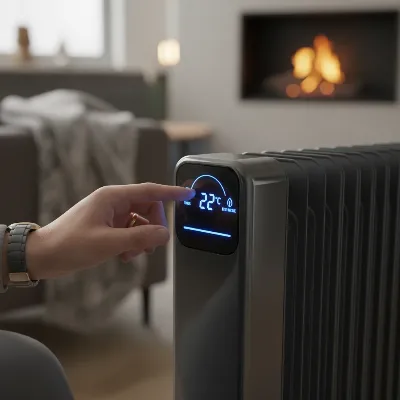 A close-up of a hand adjusting a digital thermostat on a modern oil-filled radiator, with symbols for timer and eco mode visible.
Conclusion
Oil-filled radiator space heaters remain an exceptional choice for homeowners seeking a quiet, efficient, and safe way to add warmth to their living spaces. Their ability to deliver consistent, gentle heat without drying out the air, coupled with their impressive thermal retention capabilities, makes them particularly economical for prolonged use. With advanced safety features like overheat protection and tip-over switches, along with modern conveniences such as digital thermostats and programmable timers, these heaters offer both comfort and peace of mind.
Whether you’re looking to warm a small bedroom or provide supplementary heat for a larger living area, understanding the diverse features and benefits of models from leading brands like DeLonghi, Dreo, and Pelonis will empower you to make an informed decision. By carefully considering factors such as room size, safety features, and desired controls, you can select an oil-filled radiator that not only meets your heating needs but also enhances your home’s comfort for years to come.
How will you improve your home into a haven of warmth and tranquility this winter?
Frequently Asked Questions
Do oil-filled heaters need to be refilled?
No, oil-filled heaters are permanently sealed units. The diathermic oil inside never burns or evaporates, so there is no need to refill or replace it throughout the lifespan of the heater.
How long does it take for an oil-filled radiator to heat up?
Oil-filled radiators typically take longer to reach their full operating temperature compared to fan-forced heaters, usually around 10 to 30 minutes. However, they compensate for this by retaining heat for extended periods even after the unit cycles off.
Are oil-filled heaters safe to leave on overnight?
Yes, modern oil-filled heaters with essential safety features like overheat protection and tip-over switches are generally considered safe for overnight use. Always ensure the heater is placed on a stable surface, away from flammable materials, and never covered.
Are oil-filled heaters energy efficient?
Oil-filled heaters are highly energy-efficient for maintaining steady warmth over long periods. Their thermal inertia allows them to continue radiating heat even when the heating element is off, leading to reduced energy consumption compared to heaters that require continuous power cycling.
Do oil-filled heaters dry out the air?
No, oil-filled heaters do not dry out the air. Unlike fan-forced heaters that blow hot air, oil-filled radiators generate warmth primarily through radiant heat and natural convection without circulating air, thus preserving the humidity levels in a room.
Frequently Asked Questions
Do oil-filled heaters require oil refills or replacement?
No, oil-filled heaters are permanently sealed units. The diathermic oil inside never burns or evaporates, meaning there is no need to refill or replace it throughout the heater's lifespan.
What is the typical warm-up time for an oil-filled radiator?
Oil-filled radiators generally take longer to reach their full operating temperature compared to fan-forced heaters, usually between 10 to 30 minutes. However, they retain heat for extended periods, providing sustained warmth.
Is it safe to leave oil-filled heaters running overnight?
Yes, modern oil-filled heaters equipped with safety features like overheat protection and tip-over switches are considered safe for overnight use. Always ensure the heater is placed on a stable surface, away from flammable materials, and never covered.
How energy efficient are oil-filled heaters for home heating?
Oil-filled heaters are highly energy-efficient for maintaining steady warmth over long periods. Their thermal inertia allows them to continue radiating heat even when the heating element is off, reducing continuous power cycling and overall energy consumption.
Do oil-filled heaters reduce air humidity in a room?
No, oil-filled heaters do not dry out the air. Unlike fan-forced heaters that circulate hot air, oil-filled radiators generate warmth primarily through radiant heat and natural convection, which helps preserve the humidity levels in a room.
How to Choose the Right Oil-Filled Radiator Space Heater
Selecting the best oil-filled radiator involves considering your budget, specific usage needs, and essential features to ensure optimal comfort and efficiency.
Oil-filled radiators range from approximately $60 to over $200. Budget-friendly options like Amazon Basics provide basic heating, while higher-priced models from brands like DeLonghi offer advanced features, better build quality, and longer warranties, often providing better long-term value.
Consider if the heater will be a primary or supplementary heat source and the room size. A 1500-watt model is suitable for rooms up to 150-250 square feet, while smaller 800-watt units are ideal for personal spaces. Oil-filled radiators excel at sustained, long-duration heating.
Decide between manual or digital controls; digital options often include precise thermostats and child locks. Timers and Eco modes enhance energy efficiency. For portability, seek models with wheels and integrated handles. Also, consider the aesthetic design to match your decor.
Ensure the heater has overheat protection/thermal cut-off and a tip-over switch. A cool-touch exterior is important for safety, especially with children or pets. Look for ETL or UL certifications to confirm the product meets stringent electrical safety standards.
A strong warranty indicates product quality and reliability. Most reputable brands offer at least a one-year warranty, with many high-quality models extending coverage to two, three, or even five years. A longer warranty protects your investment against potential defects.

I got an oil-filled heater for my bedroom because I heard they don’t dry out the air as much. While it’s true about the air quality, I found it wasn’t quite powerful enough to heat my larger master bedroom as quickly as I’d hoped. It’s good for smaller spaces though.
These oil-filled radiator space heaters are fantastic for energy efficiency. I’ve noticed a slight dip in my electricity bill compared to when I was using a fan-forced heater. Plus, the silent operation is a huge bonus, especially when I’m trying to relax or read.
I picked up one of these after reading about how they’re good for prolonged use. It’s definitely true; my living room stays comfortably warm all evening. My only minor complaint is that it takes a little while to really heat up the room, but once it’s going, it’s great.
I’ve been using an oil-filled radiator in my home office for the past month, and it’s been a game-changer. I love how it provides consistent, gentle warmth without any of the noise that my old ceramic heater used to make. It really does create a cozy environment, perfect for long workdays.